


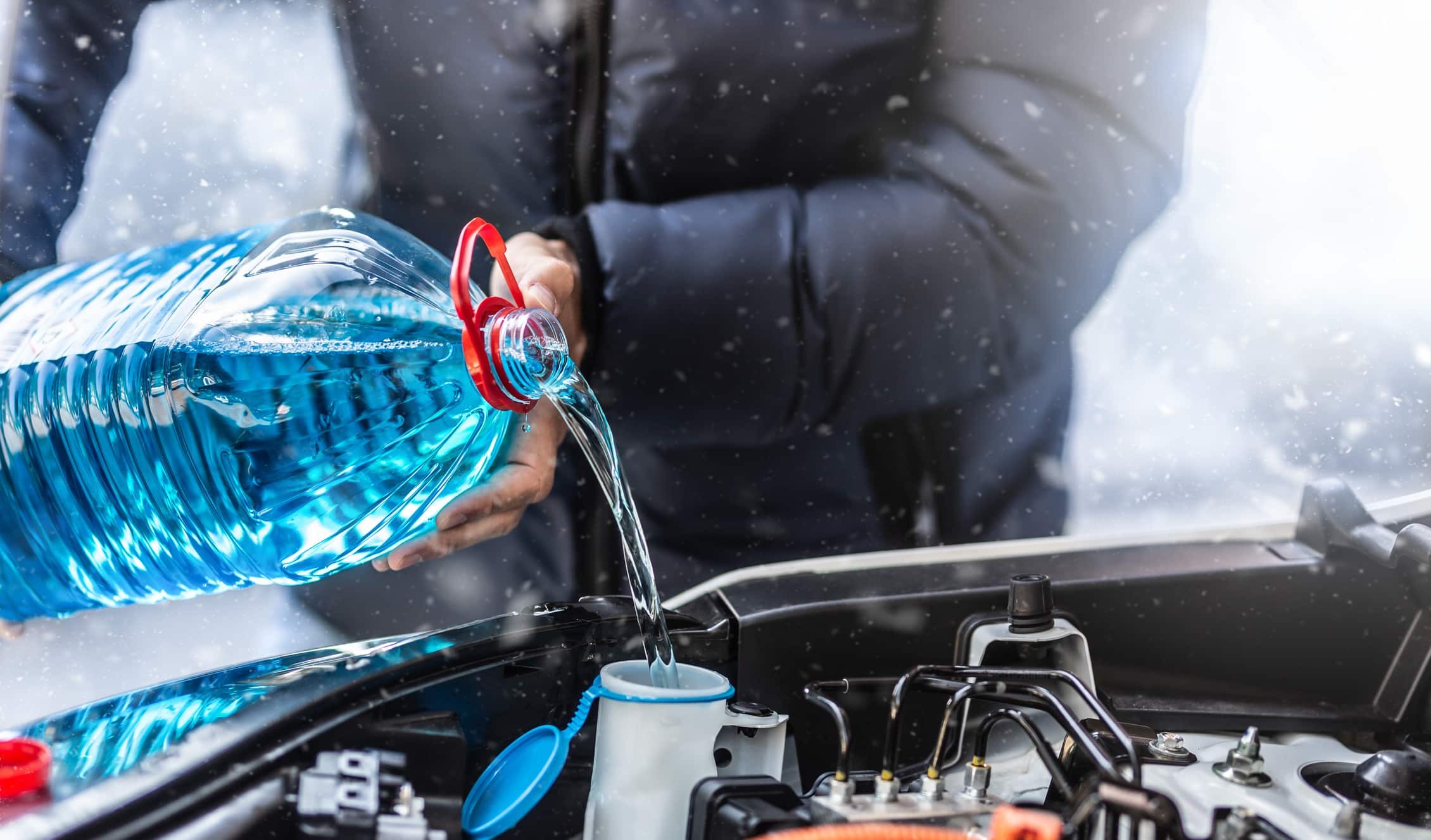
Your car maintenance costs are climbing, and yes, it often starts with the seemingly trivial stuff. You fill up the washer fluid reservoir, and suddenly your wallet takes a hit. Why spend premium prices on a basic product when you can make it yourself? It’s a simple trick. Economical. Effective. And increasingly popular among drivers who care about their budget as much as their visibility.
Why make your own washer fluid?
Store-bought washer fluid can be shockingly expensive. Especially in winter, when you need more freeze protection. But here’s the thing: you don’t need a fancy chemical formula to keep your windshield clean. You need cleaning power and freezing protection. That’s it.
The standard DIY recipe uses three ingredients you already have in your kitchen or garage:
- White vinegar (for cutting through grime and road film)
- Rubbing alcohol (isopropyl alcohol, typically 70% or 90%)
- Water (distilled, to prevent mineral deposits in the pump)
The ratio matters. For mild climates, mix one part vinegar, one part alcohol, and two parts water. For colder regions, where temperatures drop below freezing, shift the balance. Use two parts alcohol, one part vinegar, and one part water. That higher alcohol content lowers the freezing point, keeping your fluid liquid and functional even in a freeze.
The goal isn’t just clean glass. It’s fluid that doesn’t turn to ice in your reservoir.
How to mix it without ruining your pump
Here’s where most DIY recipes go wrong. They tell you to use tap water. Don’t. Tap water contains minerals. Those minerals clog the tiny nozzles inside your washer pump over time. Distilled water avoids that problem entirely. It’s slightly more expensive per bottle, but you buy far less of it because you’re mixing, not buying pre-diluted fluid.
Use a clean container. A large plastic jug works fine. Pour in your distilled water first, then the alcohol, then the vinegar. Stir gently. Don’t shake vigorously; you don’t want a foam storm in your reservoir.
Which alcohol should you use? Rubbing alcohol, specifically isopropyl alcohol. Avoid methylated spirits or methanol-based products. Isopropyl is safer for your rubber seals and less toxic to handle. Check the label. 90% isopropyl works best for freeze protection. 70% is fine for warmer areas but offers less freeze resistance.
Where this method actually shines
This isn’t just a cost-saver. It’s a performance tweak. Commercial washer fluids often contain detergents that leave a film. That film can attract more dirt. Vinegar cuts through grease and road salt. Alcohol evaporates quickly, leaving less residue. The result? Cleaner glass. Faster drying. Better visibility in rain.
And yes, it smells like a cleaning closet. But you’re not driving in there. Your passengers won’t notice once the window is up.
What to watch out for
A few precautions. First, never put pure alcohol or pure vinegar directly into your reservoir. Always dilute. Concentrated acids or solvents can damage rubber hoses and seals. Second, check your owner’s manual. Some manufacturers specify a minimum alcohol content for freeze protection, or warn against certain additives.
The 15-cent liter: Why windshield washer tablets are eating into conventional fluid profits
You are paying roughly 4 euros for a standard 5-liter jug of windshield washer fluid. You are getting what is essentially water, a small amount of surfactant, and enough alcohol to prevent freezing. The math is brutal.
Effervescent washer tablets flip that ratio. One tablet dissolves into 5 liters of tap water. The result is a cleaning solution that lifts dust, grime, and mosquito carcasses off the glass. The cost per fill drops to 15 to 18 cents. That is a savings rate exceeding 90%. It is not a rounding error. It is a structural difference in how you maintain your car.
How to prepare the solution without a chemistry degree
The process is almost insultingly simple.
- Fill your washer reservoir with plain tap water.
- Drop in one effervescent tablet.
- Wait.
Let the tablet fizz. Wait until it dissolves completely. You now have 5 liters of ready-to-use fluid. No mixing ratios. No measuring cups. No shaking a heavy, sludgy bottle.
A single tablet turns 5 liters of tap water into an effective cleaning agent for under 20 cents.
Why the shift from plastic jugs to tablets makes sense
The environmental argument is straightforward. Traditional fluid is mostly water. You are buying a plastic bottle, paying to ship that water to your local shop, and driving to pick it up. The carbon footprint of transporting a liter of liquid is high.
Tablets remove the bulk. They are small. They stack in a drawer or the glove box. You use the water you already have in your house. The plastic waste drops to almost zero. The transport emissions vanish. For an enthusiast who cares about the total cost of ownership, not just the fuel gauge, this is a clean win.
The catch: winter protection and the alcohol hack
Here is where the standard tablet fails. Most basic effervescent tablets do not contain sufficient glycol or methanol to stop water from freezing at sub-zero temperatures. If you park outside in January, your reservoir will turn into ice. Your washer will stop working exactly when you need it.
You do not need to buy expensive commercial antifreeze to fix this. You need household alcohol.
The fix is additive:
- Dissolve the tablet in your 5 liters of water as normal.
- Add approximately 250 ml of household alcohol (ethanol) to the mixture.
- Shake or stir until homogeneous.
This 250 ml volume lowers the freezing point of the solution enough to handle standard winter conditions. It is cheap. It is effective. It turns a summer-only hack into a year-round solution.
Which setup fits your driving profile?
Not every driver needs the alcohol add-on.
- Urban drivers : If you park in a garage or rarely drive in temperatures below freezing, the plain tablet solution is sufficient. You are saving money and plastic.
- Rural or cold-climate drivers : If you face harsh winters, you have two choices. Buy commercial antifreeze jugs for convenience, or add the 250 ml of alcohol to your homemade mix. The latter saves money but requires you to store and handle alcohol.
Where to buy and how much stock to keep
These tablets are moving from niche online products to shelves in automotive specialty stores. Online retailers offer the best unit prices. Look for bulk packs.
- Packs of 10 : Good for a season.
- Packs of 50 : Lasts a year.
The unit price drops as the pack size increases. If you are serious about cutting maintenance costs, a single 50-pack purchase covers a full year of washer fluid for less than the cost of two commercial jugs.
Is the cleaning power enough?
For daily driving, yes. The surfactants in the tablets handle road film, salt residue, and bug splatter. If you have heavy tar or tree sap, you might need a dedicated degreaser. But for the 95% of cases where you just need to clear the windshield before a rainstorm, the tablet solution performs identically to the 4-euro bottle.
The real question isn’t whether it works. It is whether you will keep forgetting to add the alcohol in winter. If you remember, the system is flawless. If you don’t, your washer will fail on the first frost.


