The Alfa Romeo Tonale’s 2026 refresh isn’t just a cosmetic update; it’s a critical attempt to salvage a vehicle undermined by its own corporate structure. The Tonale was designed to elevate Alfa Romeo’s presence in the US, but it’s been overshadowed by the mechanically identical, yet cheaper, Dodge Hornet. Now, with Hornet production paused due to trade issues, Alfa Romeo has a chance to reclaim lost ground – but whether it’s enough remains to be seen.
The Problem With Sharing
Stellantis’s internal dynamics have created a self-sabotaging scenario. The Tonale was largely developed by Alfa Romeo, but the subsequent release of the Dodge Hornet, positioned at a lower price point, cannibalized its sales. This demonstrates a core issue within Stellantis: allowing competing brands to dilute each other’s value. The Hornet’s broader dealer network and aggressive pricing made it the more popular choice, with 20,559 units sold in 2024 versus just 3,383 for the Tonale. This disparity highlights how corporate decisions can actively harm a brand’s prospects.
What’s New for 2026?
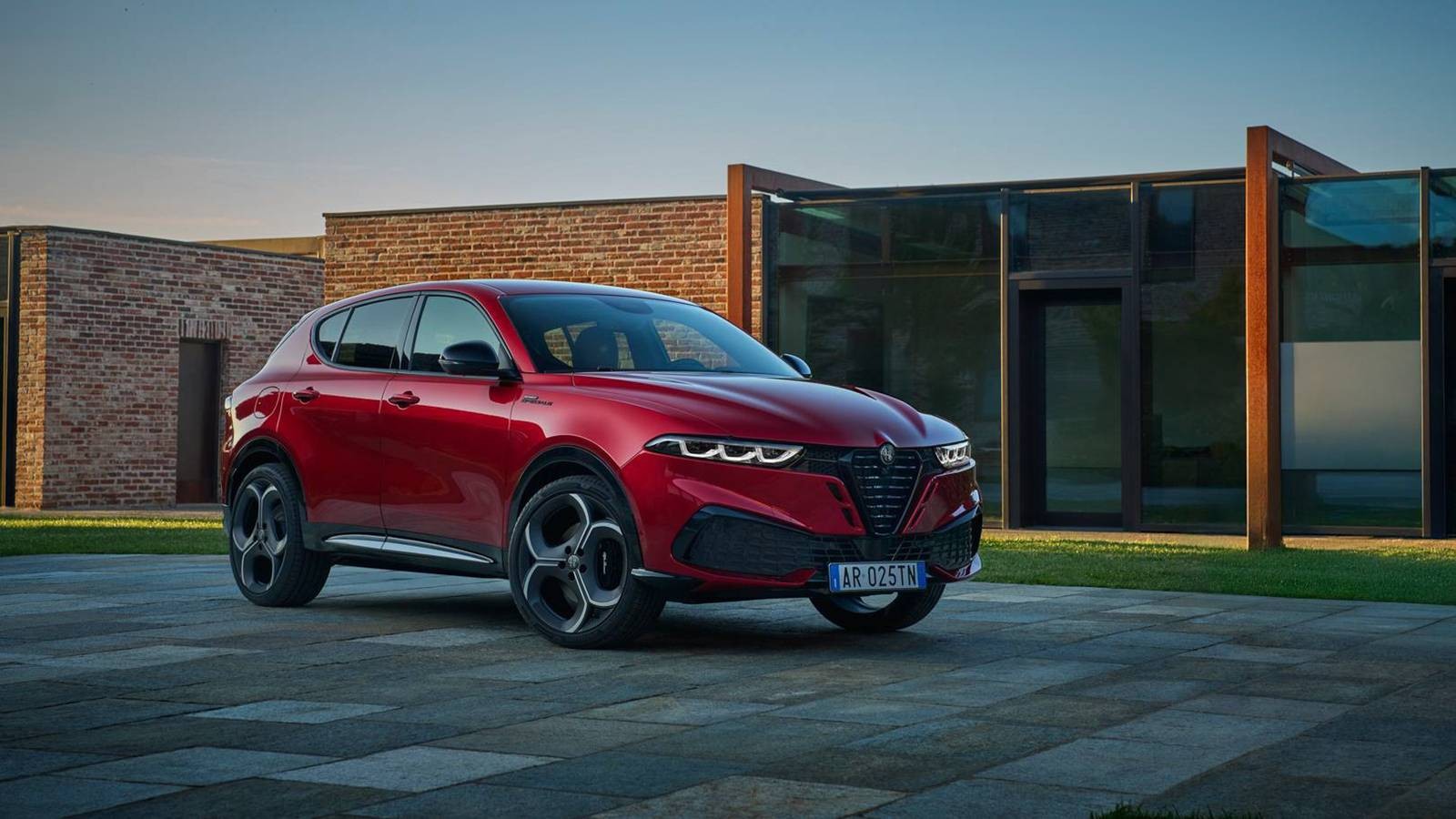
The 2026 Tonale receives noticeable design tweaks, most prominently a new “scudetto” grille inspired by the 33 Stradale. The front bumper aligns with the European-exclusive Alfa Romeo Junior, creating visual consistency across the lineup. Trim levels include Sprint ($36,995), Veloce ($41,495), and Sport Speciale ($41,495), each offering progressively more aggressive styling cues like larger wheels and red Brembo calipers.
Interior updates are subtler: new contrast stitching, a redesigned center console with an electronic rotary gear selector, and optional red upholstery. Tech remains largely unchanged, with standard 12.5-inch digital gauges and a 10.25-inch infotainment system featuring Amazon Alexa. Optional extras include a $750 Harman Kardon audio system, a $1,500 moonroof, and a $1,250 Active Assist Package.
Powertrain Changes: The Hybrid Is Gone
The biggest powertrain shift is the discontinuation of the plug-in hybrid option. The 2026 Tonale will be exclusively powered by a 2.0-liter turbocharged four-cylinder engine producing 268 horsepower and 295 lb-ft of torque, paired with a nine-speed automatic and all-wheel drive. The decision to remove the plug-in hybrid is a significant retreat from an earlier strategy. The former hybrid model offered up to 33 miles of electric range and 77 MPGe, but those numbers will no longer be available to American buyers.
A Temporary Advantage?
The abrupt halt of Dodge Hornet production, reportedly due to tariffs, temporarily benefits the Tonale. The Hornet was undercutting Alfa Romeo in pricing, making it the default choice for many buyers. Now, with tariffs likely inflating the Hornet’s cost, the Tonale may become comparatively more attractive – at least until the next market shift. However, this is a short-term fix.
Long-Term Concerns
The Tonale’s struggles underscore Alfa Romeo’s broader existential crisis. Its aging lineup, consisting of the Giulia and Stelvio (scheduled for a delayed EV replacement in 2027), lacks competitive urgency. The brand’s reliance on mass-market SUVs like the Tonale and Junior, while necessary for volume, further dilutes its premium identity. Alfa Romeo is caught in a cycle where its own corporate decisions undermine its ability to establish a distinct market position. Facing aggressive competition from established German luxury brands, the Tonale’s future remains uncertain.
The 2026 Tonale is a reactive measure rather than a proactive strategy. While the updates may buy Alfa Romeo some time, the underlying issues of brand dilution and corporate misalignment remain unresolved. The Tonale’s success hinges on whether Alfa Romeo can leverage this temporary advantage to rebuild its identity before the next market disruption.