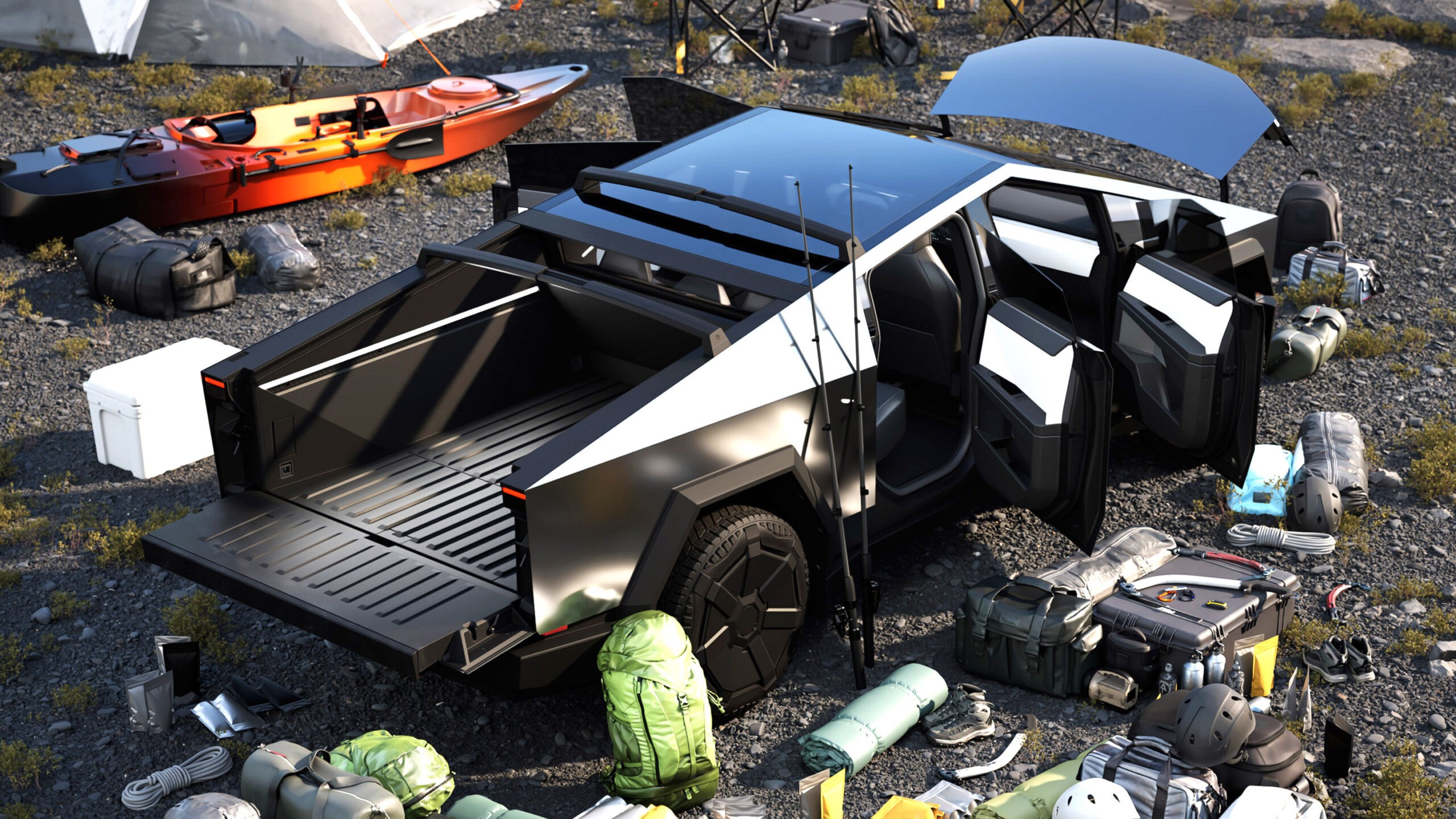
For most, the Tesla Cybertruck is a high-profile statement piece—a futuristic vehicle designed to turn heads. However, for one owner in Nashville, it has become something much more practical: a professional tool. After clocking 100,000 miles primarily driving for Lyft, this owner’s experience offers a rare, real-world look at the long-term viability of electric vehicles (EVs) in the high-intensity ride-sharing industry.
The Economic Edge: Low Daily Overhead
The primary driver behind choosing an EV for ride-sharing is the massive reduction in daily operating costs. While traditional internal combustion engine (ICE) trucks face volatile and expensive fuel prices, this Cybertruck owner reports spending only about $12 a day on energy.
- Monthly Fuel Savings: Approximately $350.
- The Competitive Advantage: In an industry where margins are often thin, these savings provide a significant cushion against the rising costs of living and vehicle maintenance.
Passenger Experience and Driving Dynamics
Beyond the balance sheet, the Cybertruck offers unique functional benefits that impact the passenger experience—a crucial factor for ride-share drivers looking for high ratings.
- Cabin Comfort: Passengers have responded positively to the panoramic roof, the spacious interior, and the high-quality sound system.
- Handling: Despite its massive footprint, the owner notes that the steer-by-wire technology makes navigating heavy urban traffic surprisingly manageable.
- Utility: The truck bed remains “ridiculously functional,” adding a layer of versatility that standard sedans used to offer Lyft drivers cannot match.
The High Cost of “Early Adopter” Growing Pains
Owning an early-production vehicle comes with inherent risks. The owner’s report highlights several build-quality issues that are common in new automotive platforms:
– Mechanical & Build Flaws: A leaking tonneau cover, persistent suspension noise, and a wireless charger that overheats mobile devices.
– Wear and Tear: The initial set of tires lasted only 40,000 miles, and the battery has seen some degradation, now providing a maximum range of roughly 299 miles.
The $7,200 Reality Check
The most significant setback occurred at the 60,000-mile mark when the power conversion system failed. Because the repair fell outside the warranty period, the owner was hit with a $7,200 bill.
This incident highlights a critical tension for EV owners: while daily “fuel” costs are incredibly low, a single major component failure can instantly wipe out months—or even years—of energy savings. This underscores the importance of understanding warranty terms and the potential for high-cost repairs once a vehicle moves past its initial coverage period.
Looking Toward the Million-Mile Mark
Despite the mechanical headaches and the expensive repair, the owner remains committed to the vehicle. Their ultimate goal is ambitious: to drive the Cybertruck to one million miles.
This goal raises an interesting question for the automotive industry: Can modern EV architecture, which has fewer moving parts than a gas engine, actually outlast traditional vehicles in high-mileage commercial use, or will the complexity of electronic components create new, insurmountable hurdles?
Conclusion: The Cybertruck proves to be a highly efficient money-maker for ride-share drivers due to low fuel costs, but it also serves as a cautionary tale about the financial volatility of out-of-warranty repairs in the EV era.