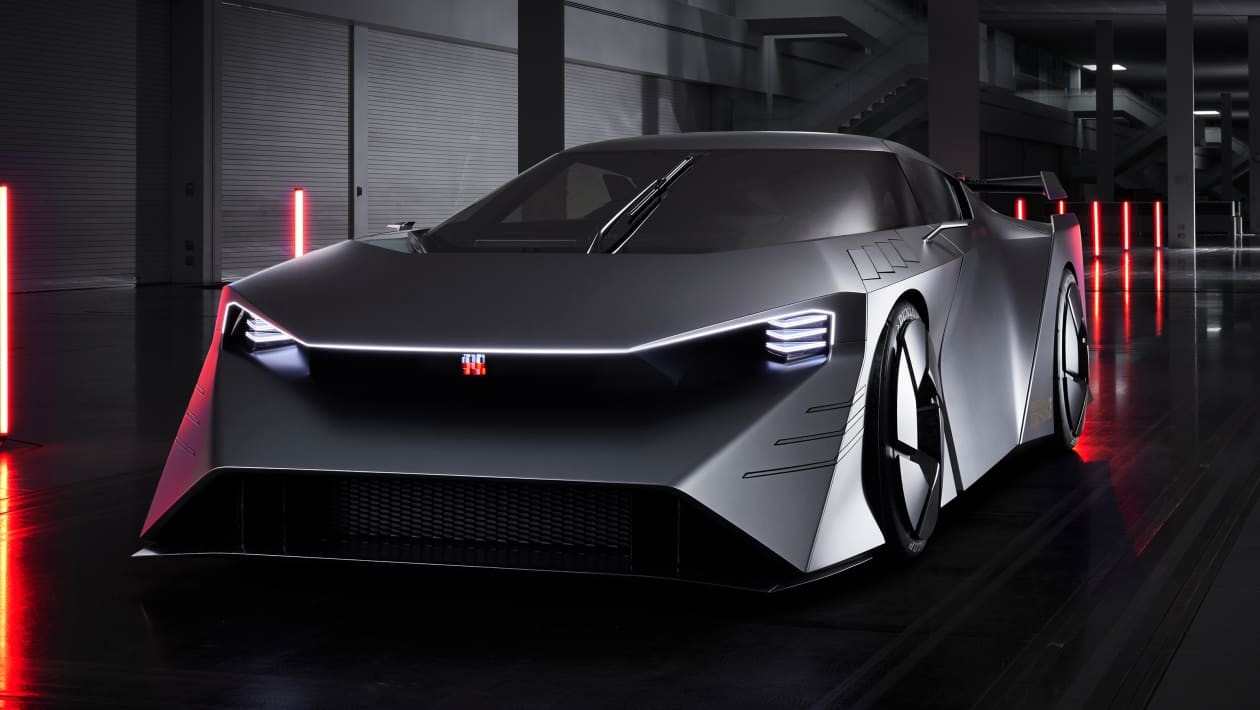
Nissan has officially confirmed that two of its most legendary nameplates—the GT-R and the Skyline —are slated for a comeback. During a discussion regarding Nissan’s new “Vision” strategy, CEO Ivan Espinosa identified these high-performance icons as “heartbeat models,” a category reserved for vehicles that embody the brand’s emotional heritage and engineering soul.
The Return of a Supercar Icon
The decision to develop a successor to the R35 GT-R was described by Espinosa as “easy.” He emphasized that the GT-R is far more than just a vehicle; it is a global symbol of Nissan’s capabilities.
While the exact specifications remain under wraps, several key details have emerged:
– Powertrain Uncertainty: While Nissan’s 2023 Hyper Force concept showcased a staggering 1,341bhp all-electric setup, Espinosa remained non-committal regarding whether the production GT-R will be fully electric, a hybrid, or powered by internal combustion.
– Strategic Importance: The GT-R is positioned as a flagship “heartbeat” model, alongside the Leaf, the Fairlady Z, and the Patrol SUV.
Reimagining the Skyline
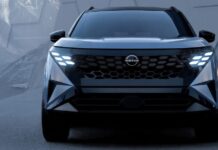
Parallel to the GT-R, Nissan is working on a new Skyline. Recent teasers suggest that the Skyline will return to its roots as a four-door performance sedan, featuring the brand’s signature twin circular rear lamps and an aggressive, angular design language.
Espinosa described the upcoming Skyline as a “reimagined icon of Japanese engineering,” focusing on precision and driving passion. There are strong indications that the new Skyline may share a platform with Nissan’s upcoming performance-oriented V6 sedan, potentially utilizing a shared architecture to balance high performance with manufacturing efficiency.
Context: Why This Matters for Nissan
This announcement marks a significant pivot in Nissan’s corporate strategy. For years, the automotive industry has struggled to balance the transition to electrification with the demand for enthusiast-driven, high-performance cars.
The “heartbeat model” strategy is Nissan’s way of navigating this tension. By investing in icons like the GT-R and Skyline, Nissan aims to:
1. Protect Brand Identity: In an era of increasingly homogenized electric vehicles, legendary names provide a unique competitive edge.
2. Bridge the Gap to EV Technology: Using high-performance models to debut new technologies (like the high-output electric systems seen in the Hyper Force concept) helps build consumer excitement for the electric era.
3. Leverage Heritage: The GT-R and Skyline carry immense cultural capital, which can drive brand loyalty and global recognition.
“The Skyline represents the origin and soul of Nissan… a reimagined icon of Japanese engineering and driving passion.”
Conclusion
Nissan is moving to reclaim its status as a leader in performance by reviving its most storied nameplates. While the technical details of their powertrains remain a mystery, the commitment to bringing back the GT-R and Skyline signals a clear intent to marry heritage with future innovation.