Despite the global push towards electric vehicles, Peugeot is doubling down on internal combustion, unveiling a significantly updated 1.2-liter gasoline engine. This move challenges the narrative of a rapid EV takeover and underscores the continued relevance of traditional powertrains—at least for the foreseeable future.
The Persistence of ICE
The electric vehicle revolution isn’t happening overnight. While EV adoption is growing, particularly in regions like the European Union, gasoline cars still dominate new car sales. In 2025, EVs accounted for just 17.4% of new vehicle registrations in the EU, according to the European Automobile Manufacturers’ Association. This reality has forced even aggressive automakers like Stellantis to adjust their timelines for full electrification.
Addressing Past Failures
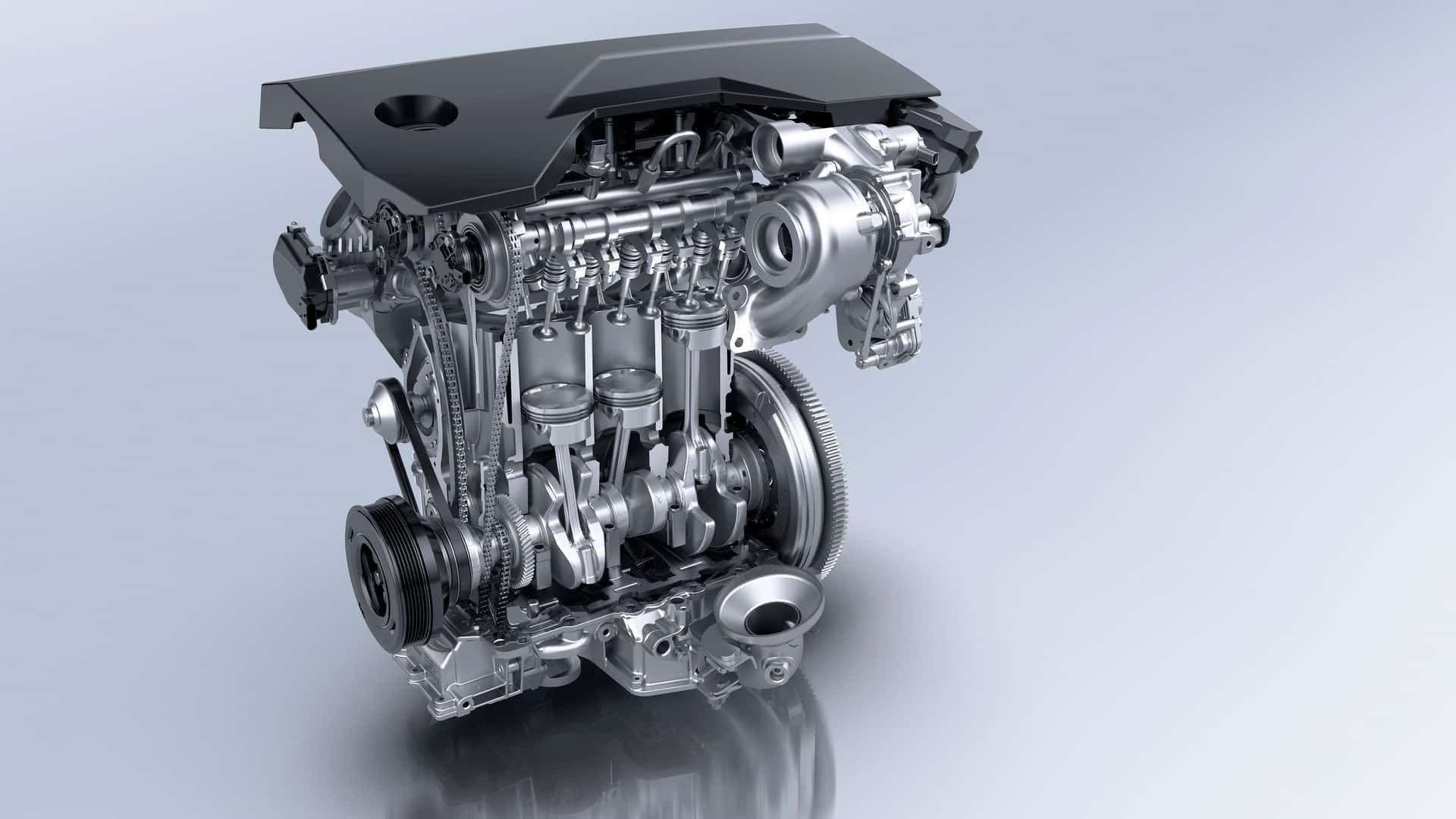
Peugeot’s new engine, dubbed the Turbo 100, is a direct response to reliability concerns surrounding its previous PureTech engines. The most critical change is the replacement of the problematic wet timing belt – a known source of failures – with a more durable timing chain. Peugeot claims 70% of the engine’s components have been redesigned, including the cylinder block, turbocharger, and fuel injection system.
Technical Improvements
The Turbo 100 employs several refinements to improve efficiency and performance. It utilizes the Miller cycle, increasing compression for better thermal efficiency. Engineers also integrated a new valve timing system to reduce internal friction, coupled with a variable-geometry turbocharger for improved low-end torque.
The engine delivers 100 horsepower at 5,500 rpm and 151 lb-ft (205 Nm) of torque from 1,750 rpm. Rigorous testing, including 30,000 hours on test benches and over three million kilometers logged by test vehicles (some exceeding 200,000 km each), was conducted to validate reliability.
Rollout and Market Context
The new engine will first appear in the Peugeot 208 supermini this month, followed by the 2008 crossover in May. This strategy recognizes that EVs are still out of reach for many consumers due to price and infrastructure limitations.
The EU’s planned ban on new gasoline cars in 2035 has also been adjusted, giving automakers more flexibility to maintain ICE models beyond the mid-2030s. This move acknowledges the ongoing demand for affordable, readily available transportation solutions.
Despite the industry’s shift towards electrification, combustion engines remain a necessary component of the automotive landscape. The Turbo 100 demonstrates that gasoline isn’t dead yet, and Peugeot is betting on reliability to keep it that way.