Driving off the lot feels like victory. The leather smells new. The tech works. Then a parking lot ding happens. Suddenly you’re staring at a bill that could pay a mortgage.
Inflation helped. But the real culprit sits under the hood and inside the frame. Modern vehicles are not just metal and rubber. They are computers on wheels.
A dent today costs thousands. Why? Because cars are now packed with cameras, sensors, and code. These features keep us safe. They also make repairs a nightmare for mechanics and wallets.
The Technology Tax
Adaptive cruise control used to be a luxury badge. Now it’s standard on a Honda Civic. Lane-keeping assist was rare. Now it’s everywhere.
These systems don’t float. They rely on hardware. Radar sensors hide behind bumpers. Cameras live behind windshields. Blind-spot monitors sit in side mirrors.
Damage one part. Replace it all. Or so it feels.
A cracked bumper isn’t just plastic anymore. It hides wiring and sensors. Replace the bumper? You might also need to replace the sensor inside it. And calibrate it.
Windshields are worse. They aren’t just glass. Many hold cameras for lane detection. Swap the glass? You must calibrate the eye. One wrong move, and your car forgets where the lane ends.
The Hidden Costs of Calibration
Calibration is the new mechanic skill. It’s not enough to bolt a new part on. The car has to talk to it.
A damaged part is often only half the job many components now require specialized calibration.
This adds hours. Hours mean money. Mechanics charge for time. Specialized tools cost money. Software licenses cost money. Training costs money.
Modern cars have dozens of electronic modules. Diagnose a problem? You need the right scanner. Replace a module? You might need to program it. Connect it to the cloud. Update the firmware. It’s IT work now.
Turbochargers add complexity. Hybrid systems add another layer. Direct injection requires precision. Emissions equipment is finicky. Each system needs specific knowledge. Not every local shop has that.
EVs Make It Worse (But Not Alone)
Electric vehicles get a bad rap for repair costs. And they should.
Battery packs are heavy. Dangerous. Expensive. High-voltage systems need certified pros. Touch them wrong, and you fry yourself or the car.
But it’s not just EVs. Gasoline cars suffer the same fate.
Reddit threads on Hyundai Ioniq 5 repairs show a wider truth. Owners of gas cars are screaming too. The internet knows something is broken.
Cameras, radar, and electronics hide behind grilles. And headlights. And bumpers. Every new feature adds a line item to the repair bill. Blind-spot monitoring? Great until it breaks. Adaptive cruise? Expensive to fix.
Even a fender bender triggers a domino effect. Sensors break. Calibration needed. Labor adds up. Parts add up. The bill climbs.
Why Keep Your 1998 Civic?
This explains why older cars are back.
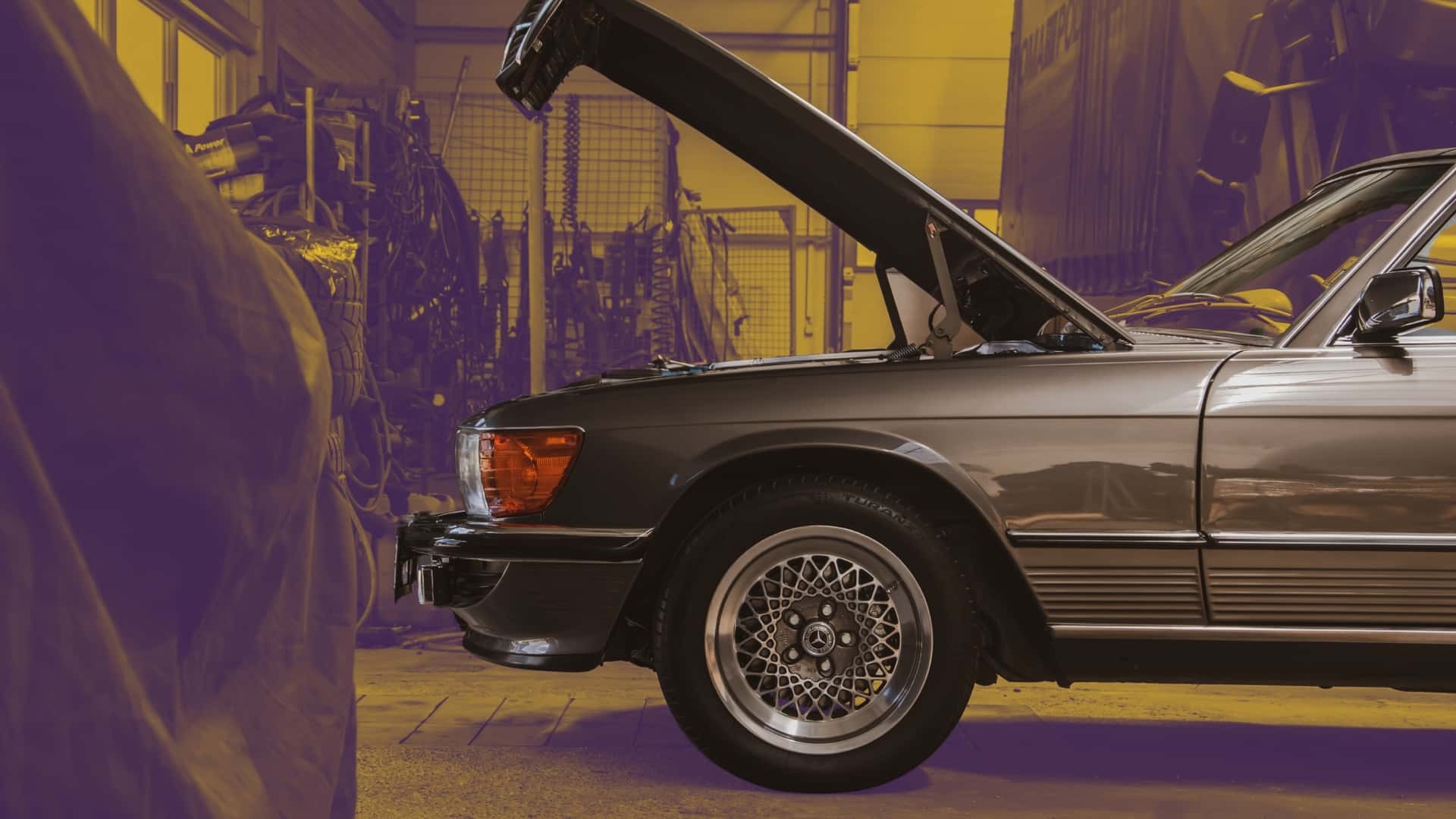
Cars from the 90s and early 00s are simple. Steel and plastic. Basic mechanics. No computers to talk to. No sensors to calibrate.
Sure, parts might be scarce. Aging rubber cracks. Rust sets in. But when something breaks? You can usually fix it. With tools. In a driveway.
Nostalgia plays a role. But economics plays a bigger one. Older cars are cheaper to keep alive. Modern cars are cheaper to buy, maybe. But expensive to own.
The New Ownership Reality
Cars are better than ever. Safer. Faster. Smarter.
But smart costs.
Automakers keep adding features. Efficiency improves. Comfort rises. Complexity skyrockets.
The purchase price is just the first trap. Maintenance is the second. Repairs are the final blow.
Next time you buy a car, check the repair cost estimates too. Don’t just look at MSRP. Look at what happens when things break. Because they will.
And you won’t want to know why it cost so much until you’re holding the receipt.