Batteries move fast. Maybe too fast.
Tesla changed everything in 2013. They shoved thousands of tiny 18650 cylindrical cells into the Model S. Small. Standard. Efficient. It worked because those cells were already industry standard, nothing new under the sun just repurposed for speed.
Nissan did something else. In 2010 the first Nissan Leaf arrived on global stages, packing pouch cells into a modest 24kWh pack. Ninety-two cells, arranged in modules, barely enough for an eighty-mile hop across town. It was enough, though. Just barely.
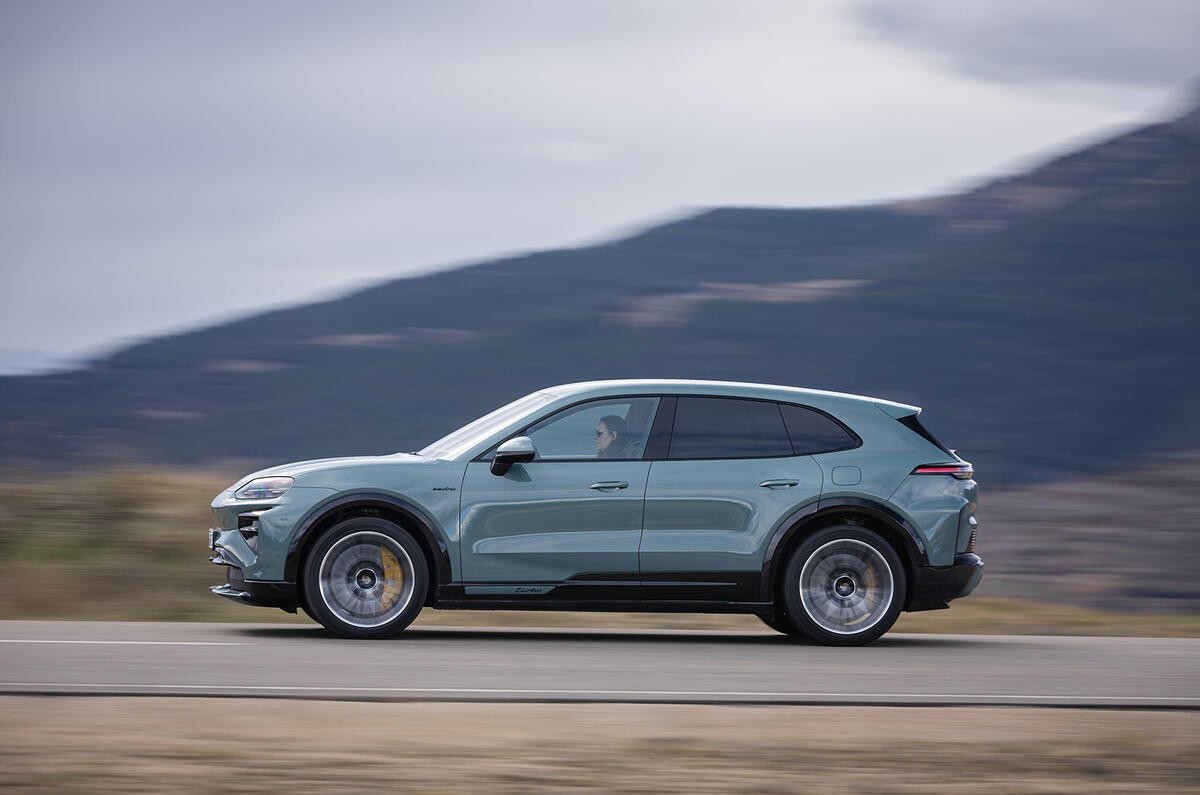
Fast forward to Porsche. Their new Cayenne EV is heavy, fast, and expensive. Inside, it holds 192 cells.
Same number. Different animal entirely.
The Cayenne packs 113kWh. That pushes range past 370 miles. A world away from that little hatchback from over a decade ago, yet they share DNA. Pouch cells. Flexible. Flat. Contained in aluminum laminates rather than steel cylinders.
So how do they build monsters this size without blowing themselves up?
The process is less about raw power and more about obsessive precision.
Porsche assembles modules at the Smart Battery Shop in Slovakia. Horná Stredá is a specific dot on a map, and it matters. European cells arrive here. Then the real work begins.
Cleanliness isn’t optional, it’s the rule. Electrostatic discharge gets kept at bay with strict protocols. You stack the pouch cells carefully, aligning connectors with laser-guided accuracy. Then comes the foam, stabilizing the stack. Thermally conductive material slides in between cells. Heat has to go somewhere, after all.
Automated laser welding fuses the cell tabs. Quick. Clean. Permanent.
Testing follows. Electrical, dimensional, functional. They look for flaws before they ship. If it passes, it goes to a contractor for the final pack assembly. Data records everything. Porsche claims they can trace any single module, even years later. Trust us, the data says.
One last stop. Before the battery touches the chassis of a Cayenne, it visits an analysis center. They test for longevity. They test charging. They want to know if it survives.
The tech has shifted, yet the link remains. From the struggling early adopter to the luxury SUV king. All held together by flat cells and careful hands.
Who knew they would end up sharing parts?