Great Wall Motor (GWM) is refining its approach to the electric vehicle (EV) market, signaling a shift in design philosophy while maintaining a core belief in the utility of smaller cars. While the company plans to move away from its current “quirky” aesthetic, its strategic focus remains firmly rooted in urban mobility rather than the large-scale electric SUVs currently dominating global sales charts.
A Shift in Design and Philosophy
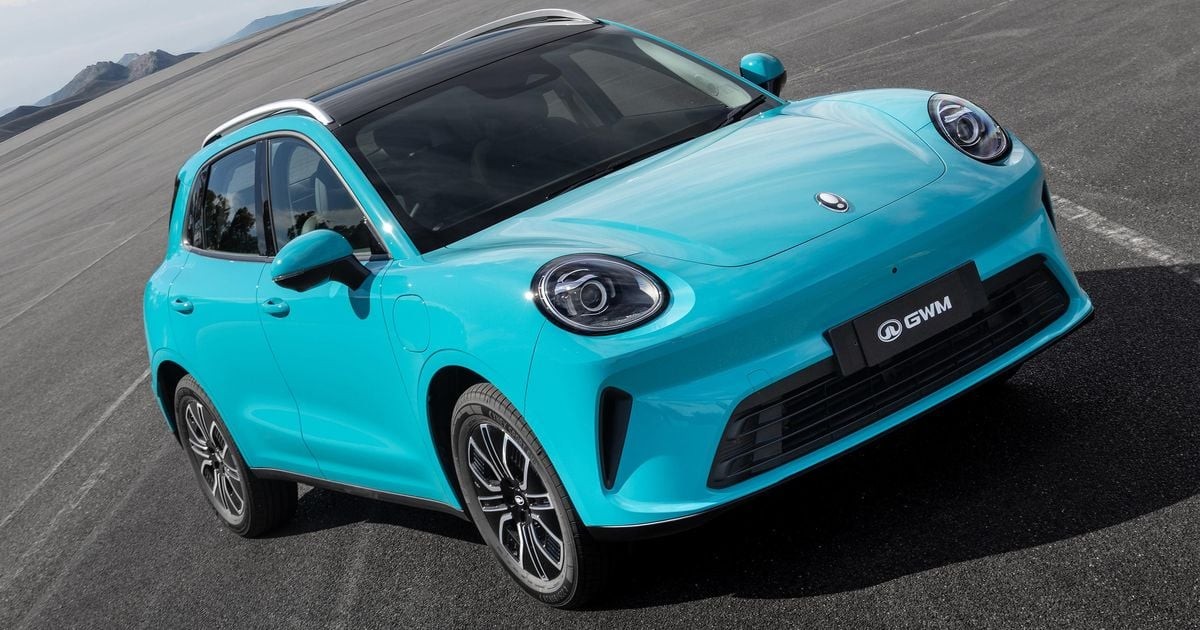
For much of its EV journey, GWM has relied on the Ora brand, which features distinctive, curvaceous, and often “cutesy” styling. This approach was exemplified by models like the Ballet Cat, which was marketed with specific lifestyle features aimed at a niche demographic.
However, GWM Chairman Jack Wei has indicated that the brand’s visual direction is changing. The company intends to introduce “more conventionally styled” EVs to appeal to a broader consumer base. Despite this change in appearance, the company’s fundamental philosophy regarding vehicle size remains unchanged:
- Urban Focus: GWM views the primary purpose of EVs as efficient urban mobility.
- Size Constraints: The company believes smaller vehicles are better suited for this role and is unlikely to prioritize large-scale electric models.
- Efficiency over Scale: The strategic emphasis remains on smaller, more efficient city cars rather than the massive electric SUVs favored by some competitors.
Diversifying the Powertrain Portfolio
In a move that diverges from some pure-play EV competitors like Xpeng or Zeekr, GWM is moving away from an “EV-only” brand model for Ora. Instead, the company is embracing a more diverse range of powertrains, including:
- Full Electric (BEV): Continuing the core Ora lineup.
- Plug-in Hybrids (PHEV): Expanding the electrified offering across various vehicle sizes.
- Internal Combustion Engines (ICE): Reintroducing traditional petrol-powered vehicles into the Ora lineup.
This multi-pathway approach allows GWM to hedge its bets against fluctuating consumer demand for pure electric vehicles, ensuring they can offer options across different price points and infrastructure readiness levels.
Bridging the Gap in the Market
GWM currently faces a significant competitive gap. While the Tesla Model Y has become a global sales leader, GWM has yet to launch a dedicated mid-size electric SUV to compete in that high-volume segment.
To address this, GWM is expanding its electric offerings beyond the Ora brand. The upcoming Haval Jolion Max —a mid-size crossover—will be the first model outside of the Ora line to offer an electric powertrain. This represents an important step in GWM’s attempt to integrate electrification into its more mainstream, established vehicle brands.
The Competitive Landscape
When compared to other major players in the Chinese automotive sector, GWM’s EV portfolio is relatively specialized:
- BYD: Maintains a much broader reach, offering everything from city cars to full-size EVs and mid-size sedans.
- MG (SAIC Motor): Boasts a deep lineup including large SUVs and convertibles, with plans for electric utility vehicles.
- Chery and Omoda Jaecoo: Currently maintain limited EV offerings, primarily focused on small SUVs.
While GWM has teased larger electric concepts in the past, such as the Mecha Dragon sedan, they have yet to reach mass production. For now, the company’s roadmap suggests a cautious, incremental expansion—focusing on making electric driving more “normal” in design while keeping the vehicles small and city-centric.
GWM is pivoting toward conventional styling and diverse powertrains, but its commitment to small, urban-focused electric vehicles remains the cornerstone of its long-term strategy.