Elvis once said life was too short for boring cars. He bought a De Tomaso Pantera and shot the front bumper off just because he could. He drove pink Cadillacs around Graceland like they were toys. Most of us aren’t kings of rock and roll. We have jobs. Mortgages. Cars that need to actually run to work the next day.
We want driving thrills. But we also want them to stay running.
It’s a rare beast that offers BMW-style steering feedback while maintaining the stubborn longevity of a Honda Civic. It doesn’t really exist. Or does it?
Look at the Hyundai Elantra.
A Different Kind of Sport
Back in the day, saying “Elantra” at a car meet got you laughed out of the venue. Performance wasn’t a word attached to that nameplate. You drove a sedan that moved other people to safety. The standard 2026 model still has a naturally aspirated 2-liter engine. 147 horsepower. It gets the job done. It sips gas. It is not exciting.
Hyundai decided enough was enough. They turbocharged the sensible choice.
First came the N-Line. 201 horses from a 1.6-liter turbo. Respectable. Then came the big guns. Drop the “Line.” You are left with the N. The badge stands alone.
The Elantra N isn’t trying to be a Porsche. It’s trying to be faster than you expect it to be, for less than you’d think it should cost.
It makes 276 horsepower. 289 pound-feet. That is enough torque to leave a Jetta GLI eating dust. The GLI costs less, sure, but it’s 48 horses lighter on its feet. And if you push the red N Grin Shift button in the auto version, the engine spits out ten extra ponies on demand. 286 total. Why does a red button exist just to add power? Because humans love pushing red buttons.
Grip It
There is no rear-wheel-drive drift party here. No all-wheel-drive grip. This is front-wheel-drive engineering done correctly.
Most front-wheel-drive sedans feel like they’re fighting the steering wheel through corners. Not this one. The chassis is stiffer than its siblings. An electronic limited-slip differential stops the outside wheel from spinning its nuts. The suspension adjusts itself. And Michelin Pilot Sport 4S tires dig into the asphalt.
It feels planted. Solid. It carves.
Gears And Speed
You can shift it yourself. A six-speed manual exists for those who remember what an H-pattern feels like. There’s a button there too, but it doesn’t boost power. It matches revs when you downshift. It saves you from lurching the car violently during fast shifts. It’s nice. Polite even.
The dual-clutch eight-speed is quicker.
In testing, that automatic gearbox launches the Elantra to 60 mph in 11 seconds less than many competitors claim. Wait, no. 4.8 seconds total. That is a full tenth of a second faster than the Civic Type R. The manual gets you there in six seconds. Close enough if you like to do your own work.
The Trust Factor
Here is the hard part. The boring part that buys you freedom.
Hyundai ranks above average in reliability. It beat Genesis. Mazda. Honda. Audi. In the JD Power study, the Elantra had 198 issues per 100 vehicles. BMW had the same number. Nissan had slightly fewer. For a sports car that costs under forty thousand, that is acceptable. The N trim scored an 86 out of 1
The warranty is where Hyundai flexes.
Get a Honda. You get three years. 36,00O miles. That is the industry standard for “we hope you don’t break it.” Get an Elantra N. You get five years. 60,00o miles. On top of that? Three years of free service. Ten years for the engine. 100.000 miles.
Think about that for a second. You drive the thing hard for three years. Take it to the shop every year for oil and checks. Hyundai pays for it. Then they still promise not to charge you if the engine explodes for another five years.
The Verdict
The starting price is $35,1
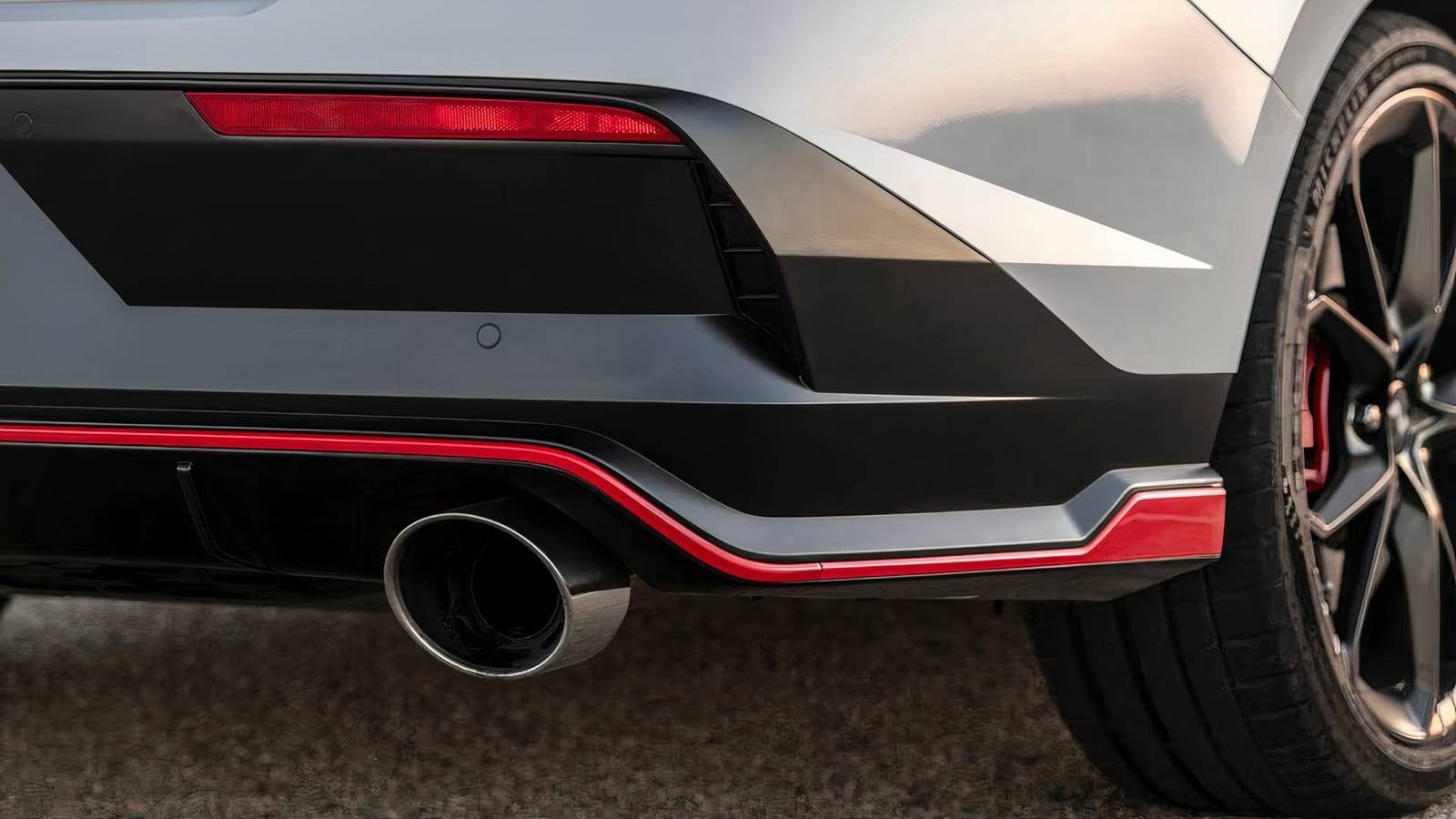
If you wanted a BMW 2 Series Gran Coupé, you’d be adding another five grand to your bank transfer. The Elantra looks weird to some. Sharp creases. A slanted rear end that looks like it was designed in a wind tunnel. Some people hate the face. It doesn’t matter.
It goes. It handles. It won’t leave you stranded in a ditch next Tuesday.
Maybe reliability isn’t the most sexy trait in the automotive world. But a fast car that runs is infinitely more fun than a broken one in your driveway. Hyundai knows this. They priced it to hurt. They wrapped it in plastic that lasts.