Your engine is the heart of the car. If it stops beating, you are not going anywhere. And fixing it usually costs enough to make your wallet bleed. The repair work is complicated. It takes time. You need a technician with the right tools.
There is a simple way to keep the whole machine running smooth. You need two specific parts. They are cheap. They are unassuming. They get dirty. You have to replace them.
Air filters. Oil filters.
You see ads for these things constantly. TV spots claim one brand is superior to another. They promise better mileage or more horsepower. But what is the reality? How do these small components actually impact engine performance? Let’s cut through the marketing noise. We will look at the facts.
The Air Intake: Filtering the Grime
Look at the front of your car. Check the grill. Check the area around the license plate. Drive late at night in warm weather. The next morning, you will see a layer of gunk. Dead bugs. Tree sap. Leaves. Dirt.
This debris does not just sit on the bumper. It gets sucked into the engine bay. Rain splashes it in too. If this mixture makes it past the intake and into the combustion chambers, you have a problem. The abrasive particles cause wear. They cause corrosion. You do not want this inside your engine block.
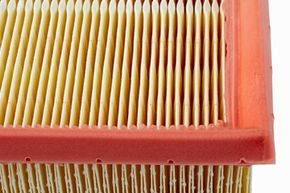
The air filter exists to catch this crud. It sits behind a plastic housing for extra protection. It acts as a gatekeeper.
If you ignore it, the filter gets clogged. The engine starves for air. Combustion needs oxygen to create power efficiently. Without it, performance drops. A filthy air filter can significantly rob a modern fuel-injected engine of its power. It might not ruin your gas mileage, but it will make the car feel sluggish. Theoretically, a filter could get so dirty the engine stalls. In reality, you just lose driveability.
The Oil Filter: Scrubbing the Blood
Think of engine oil as the car’s blood. It circulates. It lubricates. It cools. But it also collects garbage.
Metal shavings. Dirt. Carbon deposits.
These particles float in the oil. They act like a sandblaster. They attack the engine bearings. They wear down surfaces. This leads to low oil pressure. Low pressure leads to catastrophic engine damage.
The oil filter removes these impurities. It is roughly the size of a coffee mug. It works tirelessly. It scrubs the oil.
Over time, the filter gets full. It gets clogged with the very garbage it was designed to catch. When that happens, it cannot clean the oil anymore. Dirty oil just keeps recirculating. The cycle continues. The damage accumulates. The filter shields the engine from harmful floating garbage until it can no longer function.
Maintenance Schedule: Don’t Procrastinate
Some car parts you can ignore. That air freshener that stopped smelling like pine six months ago? It does not hurt anything. It is just annoying.
Filters are different. They are critical to engine health. You cannot procrastinate on them.
Check the owner’s manual for your specific vehicle. It will tell you when to replace them. It will give you the correct size. Follow the schedule. Keep the engine breathing clean air. Keep the oil clean. Your wallet will thank you later.