Wagons Got It Wrong. Mostly.
Crossovers rule the road now. Everyone wants that high seating position. That false sense of security AWD provides. People buy them thinking they need utility. They usually just need to park their ego higher than the driver next to them.
The real utility existed decades before SUVs took over. We are talking about wagons. Not the wood-paneled family haulers from your uncle’s garage. The good ones. The fast ones. Performance wagons exist for a reason. They marry space with speed. The Audi RS 6 or Mercedes-AMG E 63 S proves it works. But there was an American contender. Forgotten by the masses. Built when it mattered least.
In 2011 Cadillac decided to build something stupidly impressive. A station wagon. With a manual gearbox. And a supercharged V8. It defied every market trend in Detroit at the time. It still stands as one of the best execution of the genre ever produced.
The Sleeper That Wasn’t Trying To Sleep
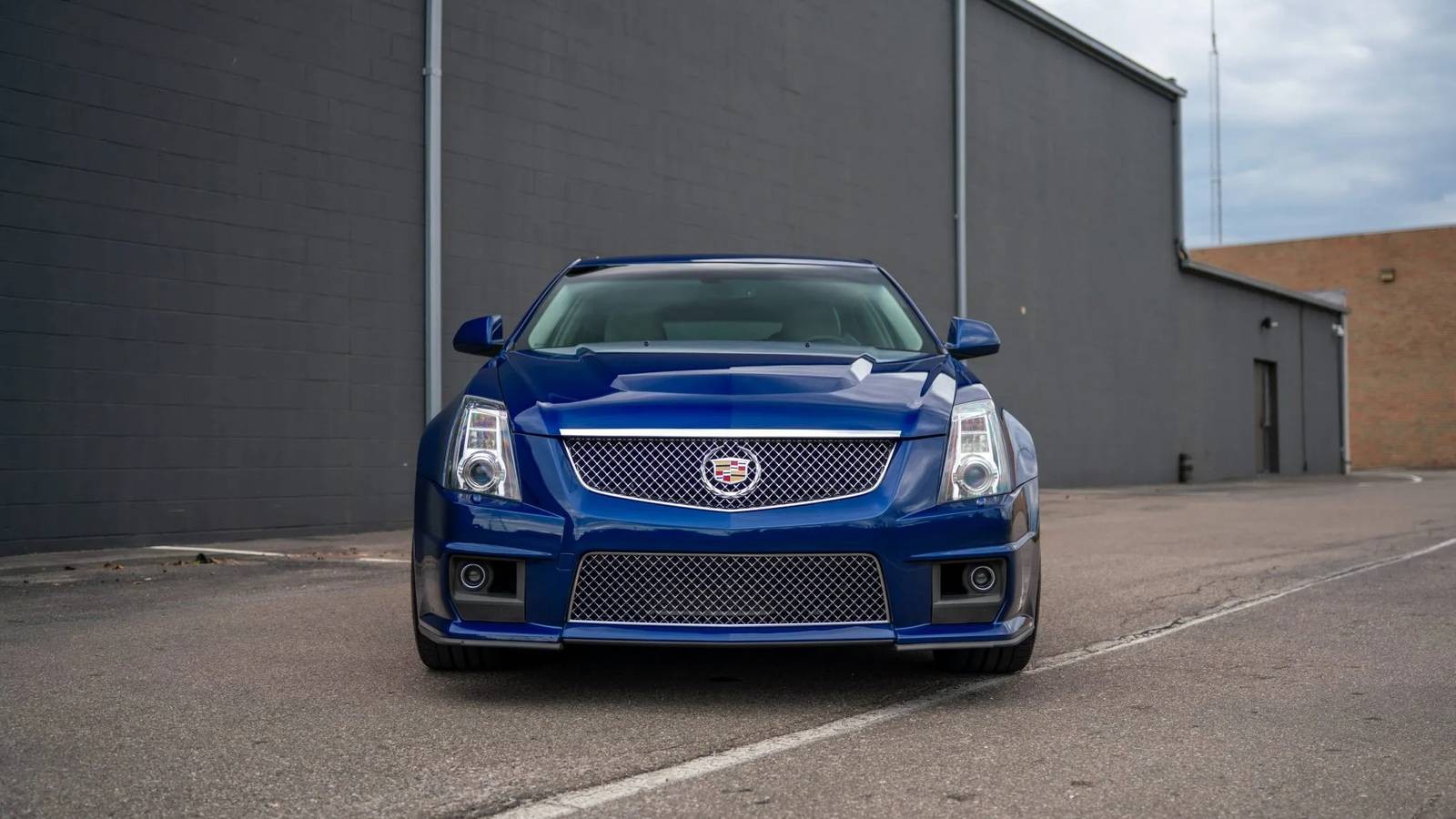
Back in 2011 most manufacturers were pushing crossovers or soft coupes. Cadillac chose a different path. They took the spacious CTS wagon body and hit it with the V-Series hammer. The result was the CTS-V Wagon. An instant icon for enthusiasts who understood the joke was actually a serious car.
It packed a detuned Corvette ZR1 engine. Six point two liters. Supercharged. Crammed into a family hauler. 560 horsepower waited behind the grille. You could choose the automatic or a six-speed manual. Magnetic Ride Control handled the corners like it had no memory of the extra roof length. It moved like an M3. Looked like a sensible choice. Until it didn’t.
“The CTS-V Wagon turned a practical body style into a halo project. A showcase for performance that never expected to move metal in volume.”
Rarity Is A Feature Here
Wagons are niche. Always have been. In America they are an afterthought. The CTS-Wagon was obscure enough without adding 550 horsepower. General Motors didn’t care about volume with the V model. It was a badge booster. A statement of capability.
From 2011 to the end of production in 2014 roughly 1767 units rolled off the line. That makes it one of the rarest modern GM products. The manual transmission versions? Even fewer. Unconfirmed reports say maybe 514 were built. Three pedals make a car special. This car had them. The scarcity guarantees classic status regardless of opinion. Those in the know pay premiums to touch that history.
The LSA Engine Roars Back
Open the creased aluminum hood. Inside sits the LSA. It is essentially a softened LS9 from the ZR1 Corvette. Still violent. 556 horsepower. 551 pound-feet. Torque came fast and loud. Early reviews praised the wave of force it generated. Enough to bully sports cars with half the interior space.
The supercharger is the trick. Eaton TVS design. Twin four-lobe rotors twisted 160 degrees. Different from the standard 60-degree three-lobe setup. It meant smoother airflow. Better efficiency. Instant response. You hear it whining in metallic harmony with the V8 rumble. Power does not hesitate. It just arrives.
The car weighs 4300 pounds. You would think that hurts performance. It doesn’t. Zero to 60 takes four seconds flat. Impressive for rear-wheel drive. Impressive for a wagon. The engine has a split personality too. Civilized at cruising speeds. Ruthless when you floor it.
Stick Shift Saves The Day
Two transmissions were offered. Most chose the Hydra-Matic 6-speed automatic. Paddle shifts included. Easy. Comfortable. Predictable. But it lacked soul. Enthusiasts knew that.
So they picked the Tremec TR6060 manual. Same gearbox used in the Viper and Shelby GT500. Built to survive torque that would snap weaker internals. The manual version felt raw. Unfiltered. No over-boost protections smoothing out the edges. Just you the driver and 551 foot-pounds of American force.
Driving this car requires input. The long roof creates momentum shifts. The manual allows you to control weight transfer through gear selection. Engine braking helps stabilize the body in fast sweepers. Why give that control back to a computer? What is the point of driving if you are not involved?
Luxury Meets Utility
Speed didn’t compromise comfort. The design is handsome. Functional hood scoops. Flared fenders barely containing 19-inch forged wheels. Mesh grille signals business intent. Vertical taillights frame the rear.
Cargo space remains generous. 25 cubic feet behind the seats. Enough for luggage gear or groceries if you want to feel silly. Inside it screams Cadillac. Leather upholstery. Heated wheel. Bose audio. Infotainment screen slides out like old tech nostalgia.
Then there are the V-Series details. Recaro seats with air bladders. Suede on the shifter. Suede on the wheel. Gauges show real-time data clearly. Magnetic Ride Control shocks adjust damping every millisecond. Soft on highways. Firm in corners. It acts like a Cadillac until it decides not to.
The Price of Ownership Today
Who wants a manual V8 wagon? Niche buyers do. Desperately. Prices have soared.
Originally listed at $62990 in 2001 these cars now exceed that value easily. Classic Car data shows manual versions asking for roughly $63000 on average. Automatic models hover lower around $50957 but still carry premium pricing. Ten thousand dollars separate them. And people pay it.
Maintenance is not cheap. Enthusiast tax applies to parts like Brembo brakes or MRC shocks. Supercharger isolator rattles plagued early models though most warranty fixes hold up. The engine itself is robust. Easy to tune. Dependable.
Is it worth the money? If you care about American engineering history yes. If you want an investment that likely will appreciate yes. Cadillac proved once that you can build a practical vehicle without boring drivers to tears.
They stopped making them. Cross-over culture won. The CTS-V wagon remains a relic. Beautiful loud practical relic. One of the last times an American car gave you three pedals and a V8 and didn’t ask permission first.
What are you going to do about it?