A new player is entering the UK commercial vehicle sector. Delivan, a brand under the Chery Holding Group, has announced its intention to launch a fleet of electric-focused vans in the UK market, starting in early 2027.
While Chery Holding Group is already establishing a presence in the UK with brands like Omoda and Jaecoo, Delivan will operate as an entirely separate entity. This strategic separation suggests the company intends to build a distinct identity tailored specifically to the logistical and commercial needs of European businesses.
A Tiered Rollout of Commercial Vehicles
Delivan’s entry into the UK will follow a phased approach, targeting different segments of the commercial transport market:
- Early 2027: The launch of a mid-sized van designed to rival the highly successful Ford Transit Custom.
- By the end of 2027: The introduction of both “light” and “heavy” van variants to cover a broader range of payload and size requirements.
While the brand has committed to an “electric-first” philosophy, it has not ruled out internal combustion engine (ICE) variants, indicating a flexible approach to the transition toward electrification.
Prioritizing “Uptime” Through Technology
In the commercial vehicle industry, profitability is dictated by uptime —the amount of time a vehicle is on the road earning revenue versus sitting idle for repairs or maintenance. Delivan aims to disrupt the market by making uptime its primary competitive advantage.
To achieve this, the brand plans to implement several high-tech features:
– Advanced Connectivity: Real-time monitoring of vehicle performance.
– Predictive Servicing: Using data to identify potential mechanical issues before they cause a breakdown, allowing for scheduled maintenance rather than emergency repairs.
A New Retail Model: “Uptime Centres”
Moving away from the traditional franchise model used by many established manufacturers, Delivan will adopt a direct sales approach. Instead of partnering with existing third-party retail groups, the company will own and operate its own facilities.
In a departure from industry norms, these locations will not be called dealerships; they will be branded as “uptime centres.” This nomenclature reflects the brand’s focus on service and reliability rather than just vehicle sales.
Concepts for the Future of Logistics
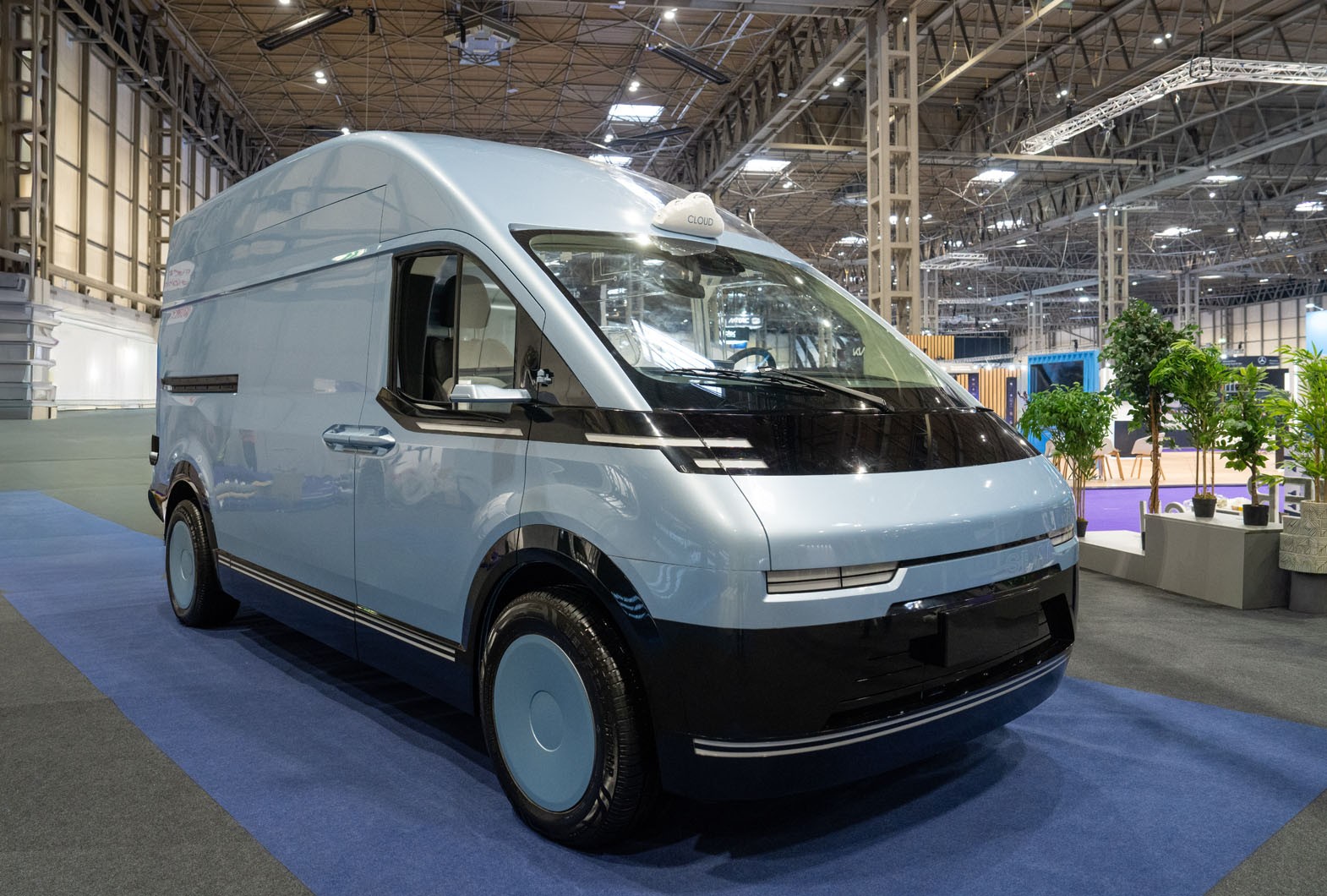
At the recent Commercial Vehicle Show in Birmingham, Delivan showcased several concepts that hint at the future direction of the brand:
– The Transit Custom Rival: A mid-sized concept aimed at the core professional van market.
– Micro Cargo: A concept designed for “last-mile” delivery, targeting the high-demand urban logistics sector.
– Robot Cargo: An autonomous concept aimed at the future of driverless freight.
“We are introducing a new generation of commercial vehicles designed specifically for European operations,” stated Delivan CEO Jolly Yang. “By combining intelligent systems, modular thinking and a connected ecosystem, Delivan enables fleets to operate more efficiently.”
Summary
Delivan is positioning itself as a tech-driven challenger to established giants like Ford, focusing on electric propulsion and data-led maintenance to maximize fleet productivity. If successful, their direct-to-customer model and “uptime” focus could shift how commercial vehicles are sold and serviced in the UK.