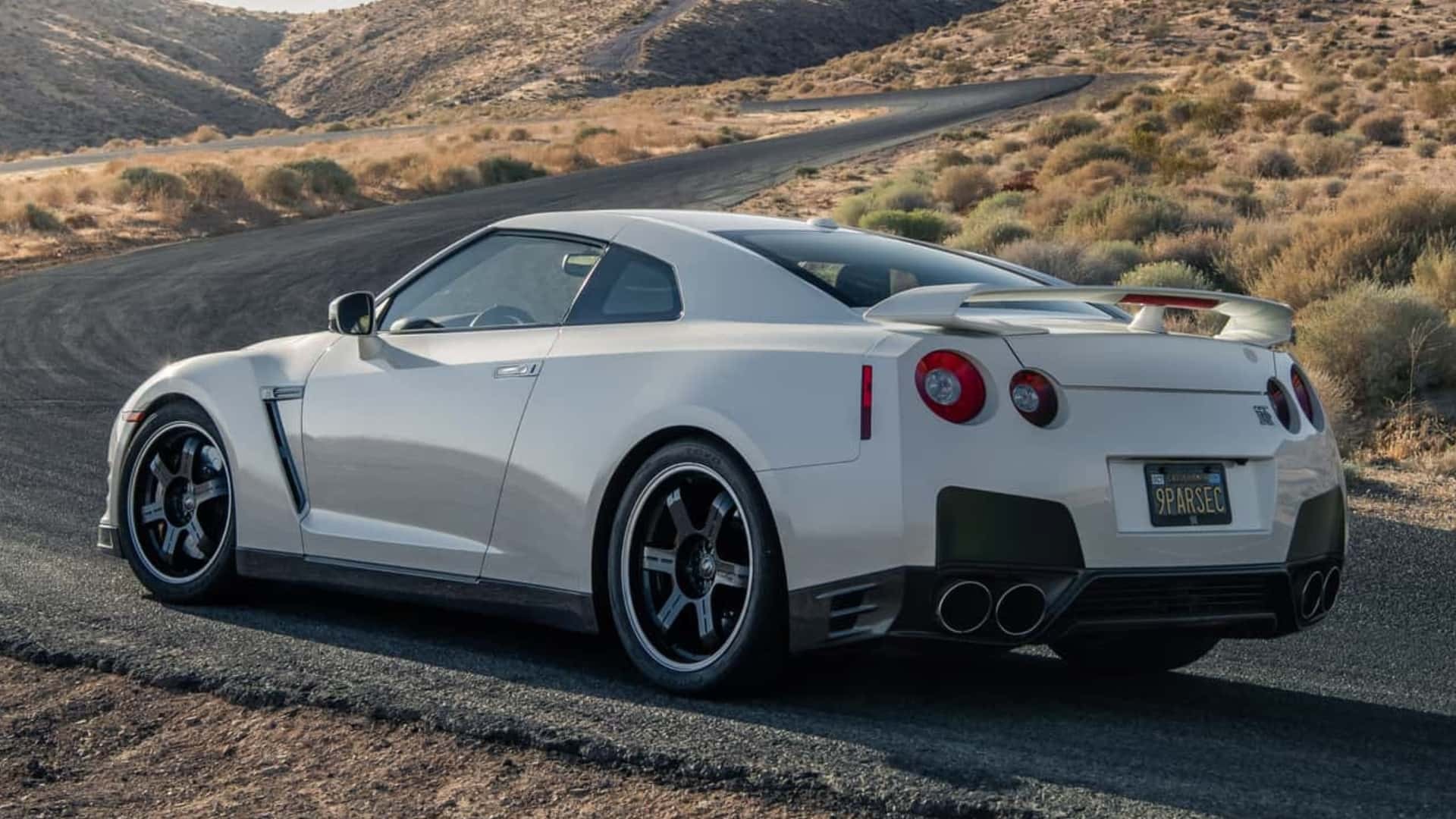
For enthusiasts of the legendary “Godzilla,” the future of the Nissan GT-R has been shrouded in uncertainty as the automotive industry shifts toward an electric era. However, recent insights from Nissan’s leadership suggest that the upcoming R36 generation will stick to its internal combustion roots, opting for a hybrid approach rather than a fully electric powertrain.
The Limits of Current Battery Technology
During recent discussions at Nissan’s headquarters in Yokohama, the company’s leadership provided clarity on why a fully electric GT-R is off the table for now. Richard Candler, Nissan’s global head of product strategy, was explicit about the technical hurdles facing the brand.
According to Candler, current lithium-ion battery technology is simply unable to meet the extreme performance demands required for a GT-R. The primary issues involve:
- Weight and Energy Density: To deliver the power and handling expected of a flagship supercar, a battery large enough would likely be too heavy, compromising the car’s agility.
- Performance Consistency: Current battery chemistries struggle to provide the sustained, high-intensity power delivery that defines the GT-R experience.
- Market Demand: Nissan noted that there is currently insufficient consumer interest in purely electric sports cars to justify such a massive developmental shift.
“We’re not going to go with batteries in the next generation. No way,” Candler stated, emphasizing that the current state of electrification is not yet capable of producing a true “GT-R-type product.”
The Hybrid Compromise
While the R36 will not be a Battery Electric Vehicle (BEV), it will not be a purely traditional combustion engine either. To navigate increasingly strict global emissions regulations, Nissan is moving toward electrification through hybridization.
The most likely direction for the R36 is a hybrid twin-turbo V6 setup. This strategy allows Nissan to achieve several critical goals:
1. Compliance: Meeting tightening environmental standards in markets outside the United States.
2. Performance Boost: Using electric motors to fill torque gaps and enhance the responsiveness of the internal combustion engine.
3. Weight Management: Utilizing smaller battery packs for assistance rather than primary propulsion, keeping the vehicle’s mass manageable.
Why This Matters for the Automotive Industry
Nissan’s decision highlights a growing tension in the high-performance automotive sector. While passenger vehicles are rapidly transitioning to electric platforms, the “supercar” segment faces a unique challenge: the physics of weight.
The GT-R’s identity is built on precision, rapid acceleration, and mechanical engagement. If Nissan were to force a full EV powertrain into the R36 today, they would risk delivering a car that meets environmental targets but fails to satisfy the performance expectations of its most loyal customers. By choosing hybridization, Nissan is attempting to bridge the gap between the era of gasoline and the inevitable electric future.
Conclusion
The next generation of the Nissan GT-R will rely on a hybrid powertrain rather than full electrification, prioritizing performance and weight management over pure battery power. This decision ensures that “Godzilla” remains a driver-focused machine while still navigating the realities of modern emissions standards.