You are likely noticing the wear pattern on your tires before you notice the check engine light. Look at the tread. The inside edges are worn down, while the shoulders remain relatively fresh. That is the telltale sign of under-inflation.
It is not just a minor annoyance. Keeping your tires below spec creates a cascade of mechanical and safety failures.
The Heat Build-Up Problem
Under-inflated tires reduce fuel efficiency immediately. You are burning more gas than your engine needs. But the heat issue is worse.
As a tire rolls, it flexes. Low pressure means more flex. More flex generates heat. The U.S. Highway Traffic Safety Administration (NHTSA) assigns a uniform tire-quality grading (UTQG) temperature rating to every tire. These ratings range from A to C. They indicate how much heat the rubber can dissipate before failure.
Here is the catch. Those ratings assume proper inflation. If you are running low on psi, that rating is void. You are guessing how much heat your tire can handle now. It is significantly less.
Excessive heat speeds up wear. It also causes blowouts.
Load Capacity Drops
Your car has a tire-load rating. It tells you the maximum weight each tire can bear. This rating assumes all four tires are at the correct pressure.
Under-inflated tires cannot carry the same load. They deform under weight. This adds stress to the sidewalls. It reduces your vehicle’s overall carrying capacity.
PSI and Maintenance
Tire pressure is measured in pounds per square inch (psi). Your manufacturer’s handbook lists the exact number. It is not a suggestion. It is a specification.
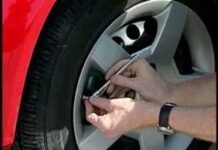
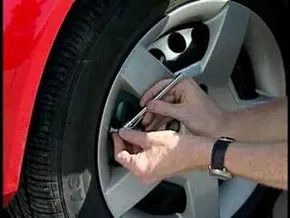
Buy a simple tire pressure gauge. Check your tires once a month. If the pressure is low, fill them at any gas station.
“Even having just 6 PSI below the recommended PSI is considered under inflated.”
Underinflate Tires FAQ
What is normal tire temperature?
On a 70-degree Fahrenheit day, highway driving brings your tires to about 120 degrees Fahrenheit. Caranddriver.com notes this as standard thermal output during normal use.
What happens if tire pressure is too high?
Over-inflation risks uneven wear. You wear out the center of the tread too fast. High pressure also increases blowout risk, especially when carrying heavy loads. A blowout is dangerous.
Is it better to over or under inflate tires?
Neither option is safe. Under-inflation reduces tread life and fuel economy. It causes tire failure. Over-inflation makes tires susceptible to damage. They wear out faster. Both can lead to a blowout.
What will under inflated tires do?
They lose their proper shape. The tread wears down quickly. The tires bend more while rolling. This increases rolling resistance. It raises tire temperature. It lowers your car’s fuel economy.
What does under inflating tires mean?
It means your tires are not at the recommended psi. They are not fully charged. Even a deficit of 6 PSI qualifies as under-inflated.