It is messy.
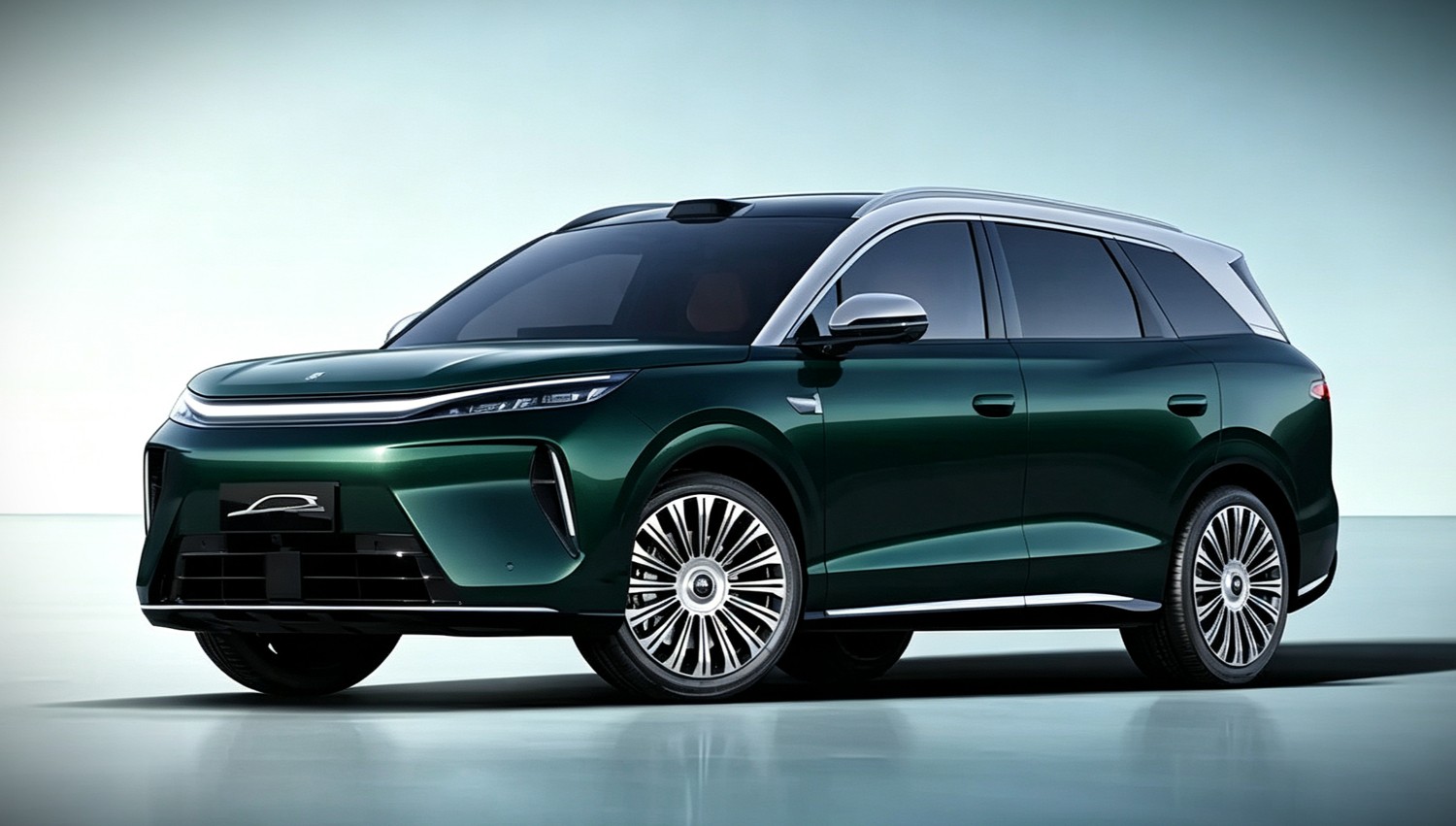
BYD just unveiled the production design of its new 8 Series Tang. A pure-electric SUV. It belongs to the Dynasty lineup, but the placement is confusing at best. The images were released by Lu Tian, the general manager of BYD Dynasty. He dropped them right after the vehicle popped up in China’s MIIT catalog. That filing gave us the hard data—dimensions, seating, and the powertrain guts.
But where does this beast actually fit?
It sits alongside the Tang L and the bigger 9 Series Da Tang domestically. Overseas you know its siblings as the Atto 8 or Sealion 8. BYD hasn’t said if the 8 Series kills off the Tang L or lives separately. You never quite know with BYD.
Dimensions, power output, and the seating question
Look at the paperwork.
The MIIT files list the new SUV under codes BYD6500BBBE.V1 and BYD6500.B.BE.V2. Officially, it’s a mid-to-large machine aimed at families. “Large five-seat layout” is the phrase they love. The regulatory records suggest you can tweak that, though.
One variant is strictly five seats. The other allows seven. It’s huge, really.
– Length: 5,040 mm
– Width: 1,980mm
– Height: 1,76 mm (max)
The wheelbase stretches to 2,95 mm. Front and rear tracks sit at 1,70 mm. Under the skin? Lithium iron phosphate (LFP). Always LFP for now.
The heart is a BYD TZ205YD motor. It pumps out 30 kW peak power. That is serious torque. The rated output is 100 kW. Top speed claims hit 200 km/h. We do not yet know the exact battery pack capacity. Just the power figures.
The 8 Series Tang bridges the gap between mid-size and full-size utility.
Does the BYD 8 Series EV actually hit 800km range?
Here is the claim: over 800 km.
That is a bold number.
BYD did not share the battery capacity details to back it up. No independent verification either. No testing conditions listed. Media outlets are guessing it uses the second-gen Blade Battery. They mention flash charging too. Some rumor the DiSus-A air suspension is inside.
None of that is in the MIIT docs. Not the battery size, not the charging speeds. Just the promise of distance. Can LFP hold that energy density efficiently enough? Maybe. The tech is improving rapidly, but “claimed range” and real-world highway miles are two different things. Why do they keep holding back the exact kWh numbers? We wonder.
Complicating the Tang lineup further
This isn’t just another car launch. It’s a strategy puzzle.
Data from China EV Tracker shows Tang L sales slowing. In June 2020 (note the source date quirk in original data context), it sold 29 units. That’s a drop from 3833 in December 25. Is the 8 Series meant to rescue those sales? To replace the L entirely?
BYD is flooding the zone with variants. You have the Da Tang, the regular Tang, now this one. And overseas markets get renamed versions that blur the lines even more. Which one should you actually buy?
It feels like they are testing the waters. See which model sticks. The competition doesn’t wait, though. Everyone else is pushing 0V systems, smarter chassis. BYD relies on the platform cost advantage. Will it work this time?
Probably. But it leaves the rest of us guessing what happens to the Tang L. Dead weight or parallel existence? No answer yet.