The electric transition isn’t a binary switch at BMW.
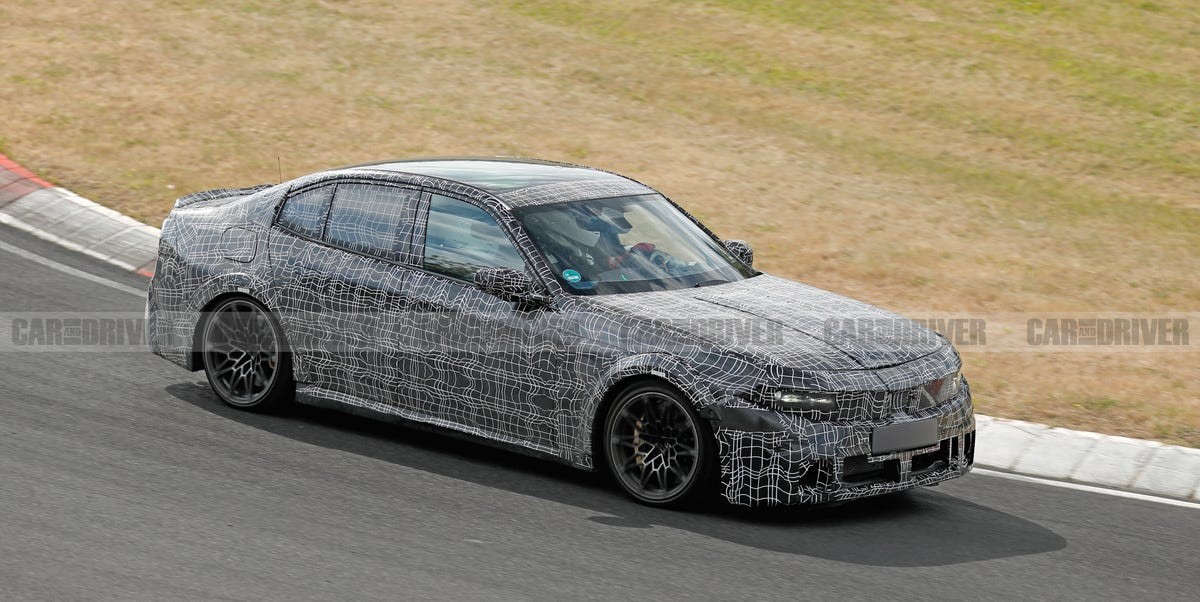
While the world watches the all-electric Concept M Neue Klasse spin its tires on display stands, a different beast is working hard on the asphalt. Spotted testing at the Nürburging in Germany, this prototype represents the gas-powered future of the BMW M3 next gen.
It’s here to prove that internal combustion hasn’t packed its bags yet.
Why the new gas M3 looks longer than the i3
If you thought the M3 was going to look like a shrunken box because of the platform sharing with the i3 sedan, think again.
The spy shots reveal a machine that retains the Neue Klasse styling language, but with distinctly different proportions. The electric i3 is short, stubby, efficient. The combustion M3 needs space for hardware that electricity doesn’t require. The result is a significantly longer hood. It stretches out, giving the car a predatory slouch rather than a upright stance.
The design cues are unmistakably connected to BMW’s newer lineup—the i3, iX, and the upcoming 2027 X2 SUV—but the M3 injects aggression into the template.
- The headlights connect directly to the kidney grilles. They form two horizontal strips, split by an indentation in the bodywork for visual complexity.
- At the outer edges, those headlights sharpen to points, mirroring the i3’s sharp aesthetics.
- The front bumper tells the real story of its powertrain. Two large L-shaped intakes dominate the center. They are flanked by smaller, triangular air curtains. These aren’t for show. They feed air to radiators and brakes.
“The performance-focused changes are seen up front…”
You don’t build air channels this big unless you plan to generate serious heat.
Will the BMW M3 keep six cylinders or go hybrid?
Powertrain anxiety is real in the enthusiast community right now. Which engines survive the regulatory crunch?
The current intel is optimistic for V6 loyalists, though we need to be precise. It’s an inline-six, not a V6. The next-generation M is expected to run a turbocharged six-cylinder unit, likely an evolved version of the current S58 twin-turbo 3.0-liter engine.
Here is the catch: unlike the larger M5, the M3 will probably skip the heavy-hitting plug-in hybrid setup. No huge battery pack weighing down the chassis for range. Instead, look for mild-hybrid technology. Just enough electric assistance to smooth out torque delivery and meet emission standards without turning the car into a brick.
But what about the drive wheels? And the gearbox?
- All-Wheel Drive: Expected. Probably standard. The weight and grip benefits are hard to argue with in 2024 performance cars.
- Rear-Wheel Drive: The entry-level RWD option might be on the chopping block. It’s becoming a rarity even among enthusiasts’ darlings.
- Manual Transmission: Let’s not get ahead of ourselves. A return of the six-speed stick shift is highly unlikely. The complexity and cost outweigh the market demand.
How long until you can buy the combustion M3?
Patience. If that’s your word, use it well.
The gas-powered model is trailing its electric sibling to market. BMW is likely launching the electric M (the rebadged iM3 or just M3 EV) first, serving as the brand forwarder for the Neue Klasse design. The combustion variant follows.
Expect the internal-combustion next gen BMW M3 to hit showrooms in 2028. That gives us time to see if the spy photos hold up to real-world scrutiny. Does the longer hood compromise agility? Do the new intakes actually improve cooling, or are they just angry-looking plastic?
We’ll know soon enough. But for now, seeing that smoke and that engine noise being planned for is enough. The end is delayed, at least for one more generation.
Will it feel the same when it finally drives?
We’ll find out.