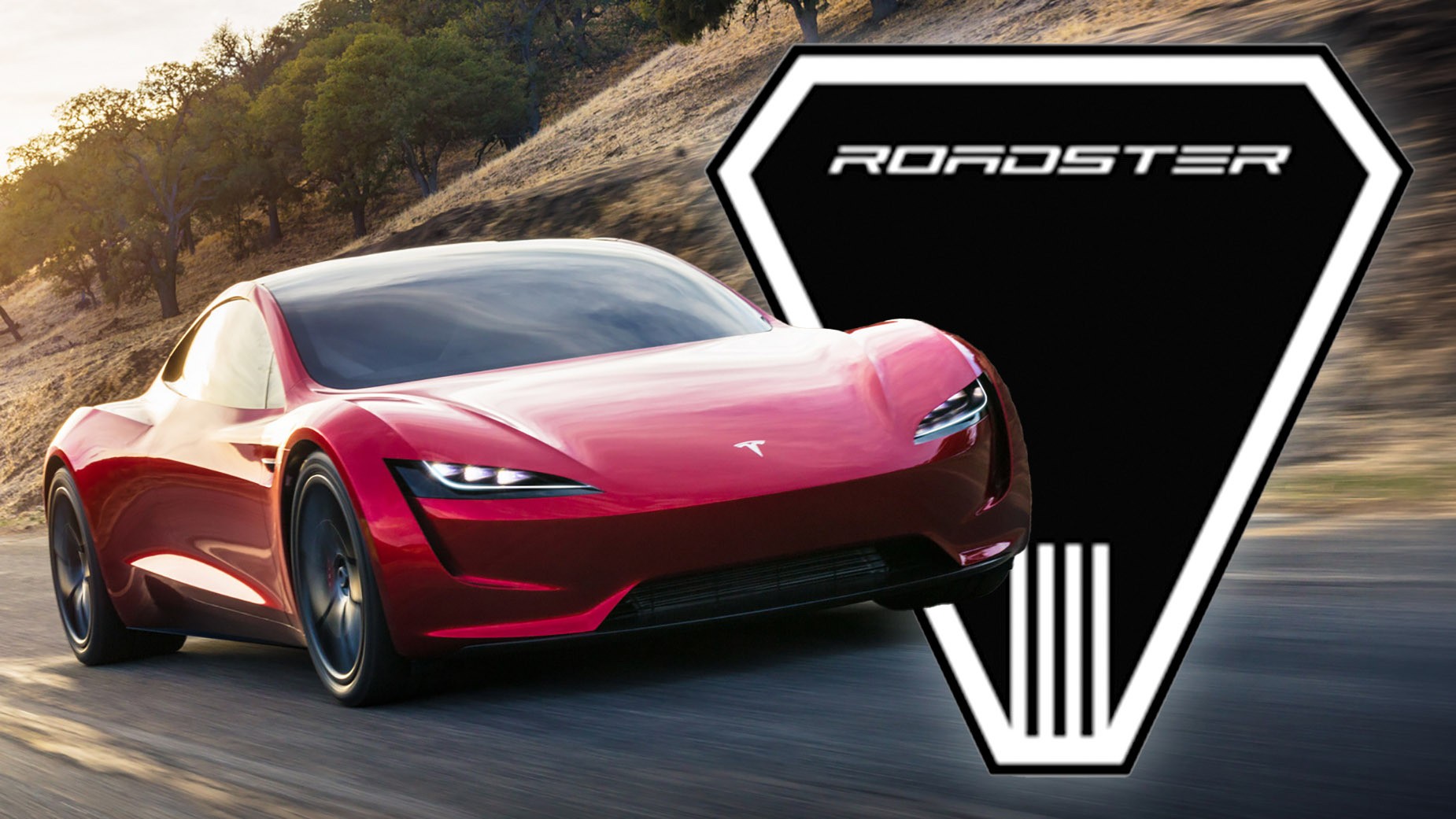
Tesla has filed another trademark application for its long-awaited Roadster, this time featuring a shield-shaped emblem that skeptics are already interpreting as a symbol of the car’s elusive status. The filing, submitted to the U.S. Patent and Trademark Office (USPTO) on April 28, marks the latest chapter in a nearly decade-long saga of promises, delays, and unfulfilled expectations surrounding the electric supercar.
A New Logo, Familiar Frustrations
The new design features the word “ROADSTER” at the top and four vertical lines at the bottom, which Tesla describes as representing “speed, propulsion, heat or wind.” While the company frames these elements as dynamic symbols of performance, the logo’s resemblance to the letter “V” has drawn immediate attention from critics. Many have jokingly linked it to the term “vaporware” —software or products that are announced but never actually delivered.
This is not Tesla’s first attempt to brand the Roadster in recent months. It is the third trademark application related to the vehicle this year, following earlier filings for a stylized script logo and a minimalist vehicle silhouette. None of these applications have been officially approved yet, leaving the final branding—and the car itself—in limbo.
The trademark covers a broad range of merchandise beyond the vehicle, including electric cars, charging equipment, clothing, footwear, hats, and even infant apparel. This expansion suggests Tesla is preparing for a broader commercial rollout, even as the car remains absent from production lines.
A History of Broken Timelines
Tesla first unveiled the second-generation Roadster in 2017, generating massive excitement with promises of record-breaking acceleration, range, and even a SpaceX-inspired “SpaceX package” featuring cold gas thrusters. Since then, CEO Elon Musk has repeatedly teased production timelines, demonstrations, and unveilings, only to push the date back again and again.
During Tesla’s April earnings call, Musk stated that the company might unveil the production version “in a month or so.” However, he also tempered expectations by noting that the Roadster is unlikely to become a major revenue driver for the company. This comment highlights a growing disconnect between the hype surrounding the vehicle and its actual business impact.
The Cost of Waiting
For nearly ten years, Tesla has accepted reservations for the Roadster, with customers paying deposits of up to $50,000. Some reservation holders have publicly complained about difficulties in retrieving their deposits, with reports suggesting that Tesla’s Founders Series agreement treated at least part of the deposit as non-refundable. This has raised concerns about consumer protection and corporate accountability, particularly given the lack of a clear production timeline.
The repeated delays have also fueled skepticism about Tesla’s ability to deliver on its most ambitious projects. While the company has succeeded in mass-market vehicles like the Model 3 and Model Y, the Roadster remains a symbol of unfulfilled potential.
What’s Next for the Roadster?
The new trademark filing suggests that Tesla is still preparing for the Roadster’s eventual launch, but it also underscores the uncertainty surrounding the project. With no confirmed production date and a history of missed deadlines, the Roadster remains a test case for Tesla’s ability to balance innovation with execution.
The Roadster’s journey from concept to production has been a decade-long exercise in patience. As Tesla files new trademarks and makes fresh promises, the question remains: Will the car ever arrive, or will it remain a symbol of what might have been?
For now, the Roadster continues to linger in the realm of anticipation, a high-profile reminder of the challenges that come with pushing the boundaries of automotive technology.