The relationship between Chery and Korea’s KGM is no longer just a handshake. It’s getting real.
Earlier this week in Seoul, the Chinese giant agreed to pump $75 million (A$112m) into the automaker formerly known as SlangYong. We don’t yet know the exact equity stake Chery is taking. But the intent is clear. They are betting big on Korean engineering and Chinese efficiency.
This isn’t charity. It’s a strategic merger of assets.
How Chery and KGM Plan to Change the SUV Market
KGM brings product planning, design flair, and vehicle development know-how to the table. Chery brings eco-friendly powertrains and robust global platform technology. Put them together and you get speed. Faster development cycles. Less time waiting for parts to arrive from Wuhan.
The first tangible result of this union? Project SE-10.
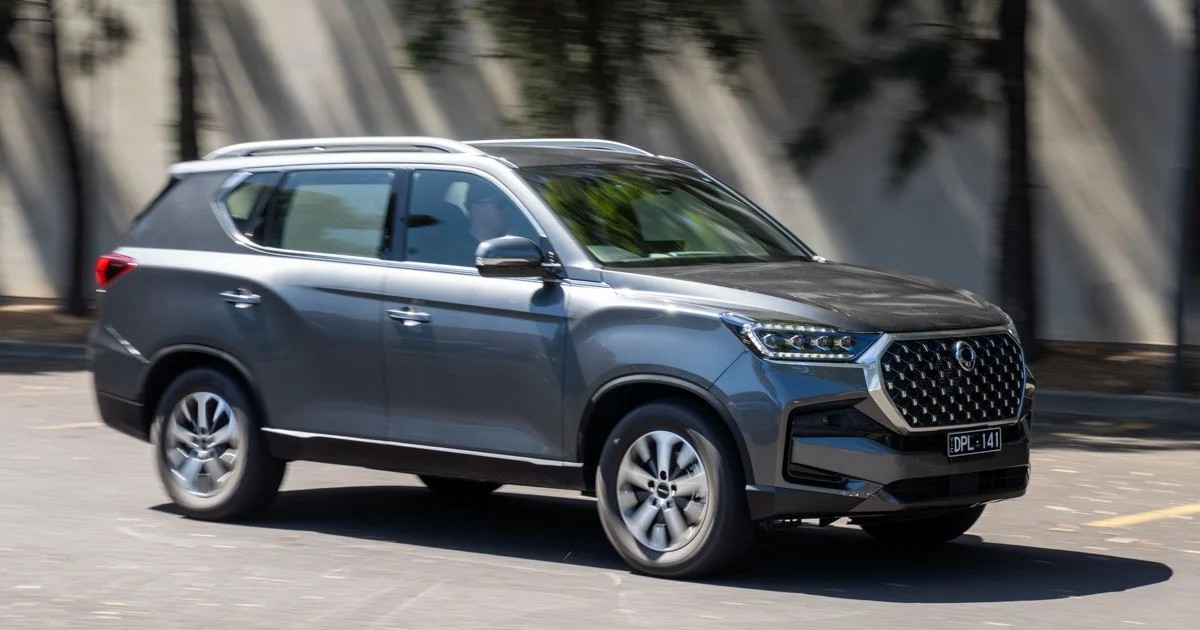
Let’s be specific. This is the next-generation Rexton.
The new mid-size SUV is confirmed for an early 2027 launch. It carries the heritage of the nameplate but shakes off the dust. Expect two drivetrain choices right out of the gate. A plug-in hybrid. Or a standard 2.0-liter petrol engine.
Why these options? Because the market demands flexibility. EVs are great, but range anxiety is still real in many regions. PHEVs bridge that gap. The Rexton has always been about toughness. This version aims to keep that spirit while becoming lighter, cleaner, and more digital.
Chery and KGM have also signed on to develop a second model together. No details. No leaks. Just silence. Beyond these two specific vehicles, the partnership will target key markets: South Korea, China, and Europe.
They aren’t stopping at engines. The scope extends to autonomous driving systems. Robotics. Software-defined vehicle architectures. Semiconductors.
This is about building a tech stack, not just a chassis.
The Turbulent History of SsangYong (Now KGM)
To understand why this deal matters, look at the graveyard of SsangYong’s past. The corporate history is messy. Chaotic.
In 1997, Daewoo bought a controlling stake. By 2000, Daewoo collapsed. SsangYong survived, but only by getting kicked to the curb.
Four years later, SAIC Motor—the owner of MG—took control. That relationship ended badly. The 2008 financial crisis hit sales hard. Allegations of stolen hybrid technology surfaced. SAIC cut the cord.
Mahindra stepped in next. They bought the firm in 2011. They gave us the 2015 Tivolo and the XUV300. But during the pandemic, Mahindra pulled out. By late 2020, SlangYong filed for bankruptcy protection.
Then came the KG Group.
A South Korean conglomerate specializing in steel and chemicals, KG rescued the automaker from the brink in 2023. They renamed it KGM. They were cleaning house.
Now, Chery is entering the clean room.
Why This Deal Matters for EV Adoption
Chery isn’t alone in looking at Korea. Geely bought a third of Renault Korea Motors back in 2022. They restyled the Monjaro as the third-generation Koleos. The new Filante flagship sits on Geely’s Compact Modular Architecture.
The pattern is visible. Chinese capital meets Korean manufacturing heritage.
But what does this mean for you?
If you’re looking for a rugged, heritage-backed SUV with modern tech under the hood, the 2027 Chery KGM Rexton (or whatever they call it) might be your target. It combines the durability drivers expect from the Rexton badge with Chery’s hybrid expertise.
It’s a gamble. Can KGM’s design sensibility mesh with Chery’s engineering speed? Can the PHEV system be reliable? Or is this just another chapter in the long, painful history of foreign owners trying to save a Korean brand?
We’ll see in 2027.
“KGM’s know-how… combined with Chery’s eco-friendly powertrains”
For now, the money is moving. The deals are signed. The Rexton lives to fight another day.