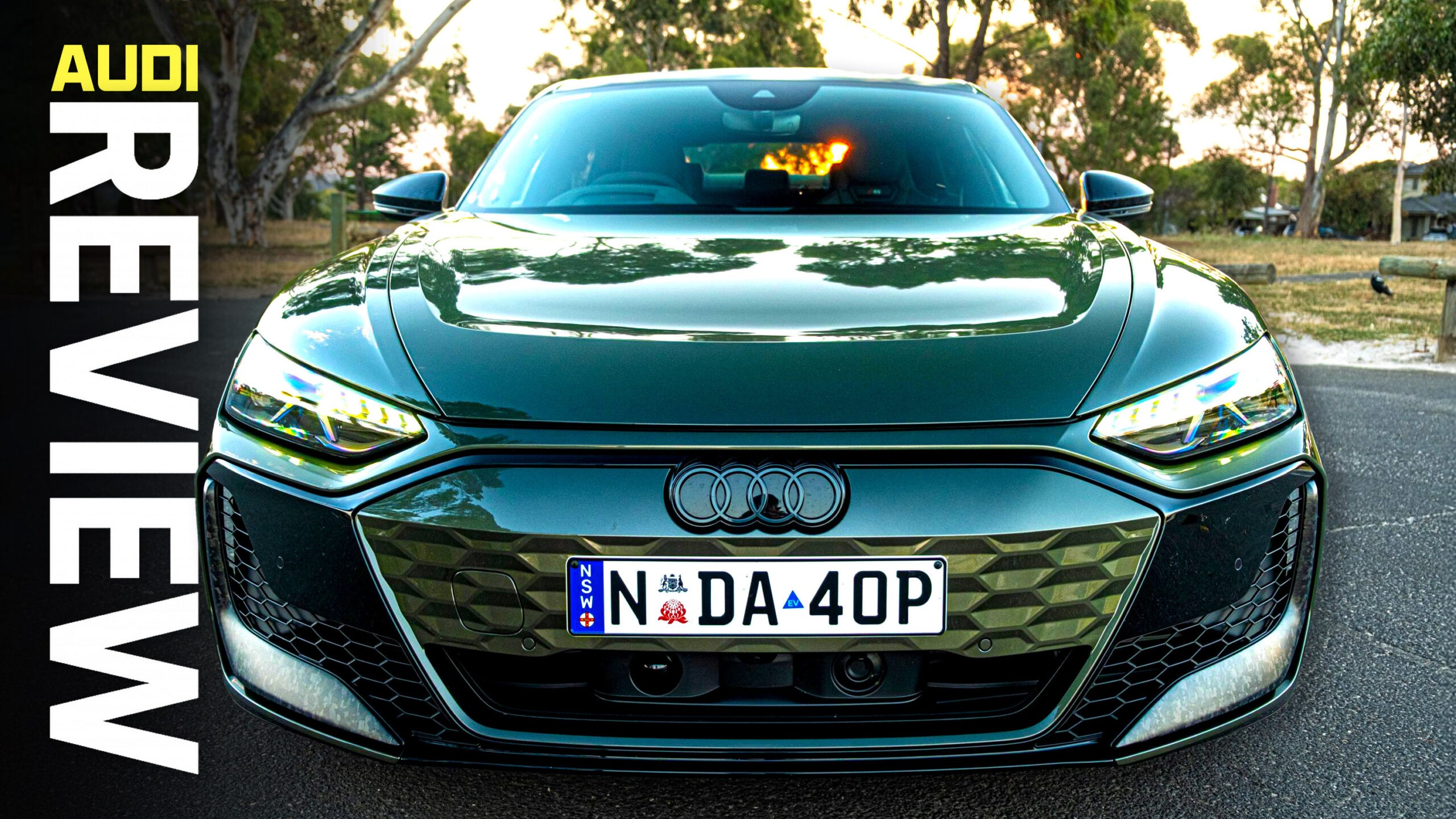
The electric vehicle market moves fast, but few cars demonstrate that evolution as dramatically as Audi’s latest e-tron GT. The 2026 RS e-tron GT Performance isn’t just a refresh; it’s a near-total overhaul of a vehicle that already set a high bar for EV performance. Released in late 2025, this car doesn’t just improve on its predecessor – it outclasses it in almost every metric, including raw power.
From Evolution to Revolution
The original e-tron GT arrived in Europe in 2021, with Australian deliveries following in 2022. Just over a year later, Audi unveiled a new generation that eclipses even the previous RS flagship model. This isn’t incremental progress; it’s a step change in electric performance.
Key Specs:
- Base S e-tron GT: 670 hp, 0-62 mph in 3.4 seconds, 347-mile range
- RS e-tron GT: 845 hp, 0-62 mph in 2.8 seconds, 324-mile range
- RS e-tron GT Performance (tested): 912 hp, 0-62 mph in 2.5 seconds, 328-mile range
The flagship RS Performance model starts at AU$309,900 ($216,800), but options quickly push the price to AU$324,400 ($226,900).
A Sharper Look for a Supercar
The e-tron GT’s design was already exceptional. The 2026 model refines it further, making the RS versions visually distinct from the base trim. Upgrades include aggressive front air intakes with forged carbon fiber, a bespoke rear diffuser (also in forged carbon), and unique 21-inch wheels. These changes aren’t just cosmetic; they signal the car’s extreme performance capabilities.
Under the Skin: Power and Efficiency Gains
Audi replaced the old 84 kWh battery with a larger 97 kWh pack, reducing weight by 9 kg (19.8 lbs). More importantly, the new model supports DC fast charging up to 320 kW, a substantial improvement over the previous 270 kW.
The power upgrade is where the new e-tron GT truly shines. The RS Performance delivers 912 hp and 757 lb-ft of torque, achieving 0-62 mph in a claimed 2.5 seconds. In real-world testing, it hit the mark in 2.63 seconds, covering the sprint in just 39.1 meters (129 feet). The acceleration is brutal, akin to being launched into orbit.
The car’s two-speed transmission is engineered for maximum impact. It holds first gear longer before shifting into second, ensuring relentless acceleration that feels otherworldly.
Suspension and Handling: A Technological Marvel
The RS e-tron GT Performance features an advanced active suspension system similar to the Porsche Taycan. Trick air suspension combined with two-valve dampers eliminates the need for traditional anti-roll bars. In Comfort mode, the car leans into corners, while RS modes flatten body roll entirely.
Despite weighing 5,137 lbs, the car remains remarkably composed, even during high-speed maneuvers. The suspension also adjusts ride height automatically when entering or exiting the vehicle, adding a touch of futuristic flair.
Interior and Comfort: Premium but Imperfect
The interior retains the original e-tron GT’s premium feel, with updates like a flat-bottom Alcantara steering wheel featuring Boost and RS buttons. Optional packages add green accents and Nappa leather, but some lower-grade plastics remind you of cheaper Audi models, a disappointment given the price.
Still, the cabin offers superb RS-branded seats, a 10.1-inch infotainment system, a 12.3-inch digital instrument cluster, wireless Apple CarPlay/Android Auto, and a Bang & Olufsen sound system. Comfort features like seat massage add to the luxury experience.
The rear headroom is limited for taller passengers, and the backseat lacks USB ports beyond basic fan controls.
A Black Hole of Acceleration
The RS e-tron GT Performance delivers performance that feels almost unreal. The acceleration is so violent that it defies expectations. Despite its power, the car can spin all four wheels beyond 100 km/h, leaving tire marks in its wake.
The car’s efficiency is rated at 21 kWh/100 km, slightly higher than the previous model. But this is not an efficiency-focused EV; it’s designed for pure, unadulterated speed.
Verdict: A New Benchmark in Electric Performance
The Audi RS e-tron GT Performance sets a new standard for electric performance. The upgrades are substantial, but the price reflects that. The old flagship started at AU$246,875 ($172,700), while the new model costs AU$309,900 ($216,800) before options.
This car is not for those seeking maximum range; it’s for drivers who want the most extreme electric experience available. If depreciation follows the pattern of the previous model, it could become a high-performance bargain in the future.