Ford and Geely are making a massive move.
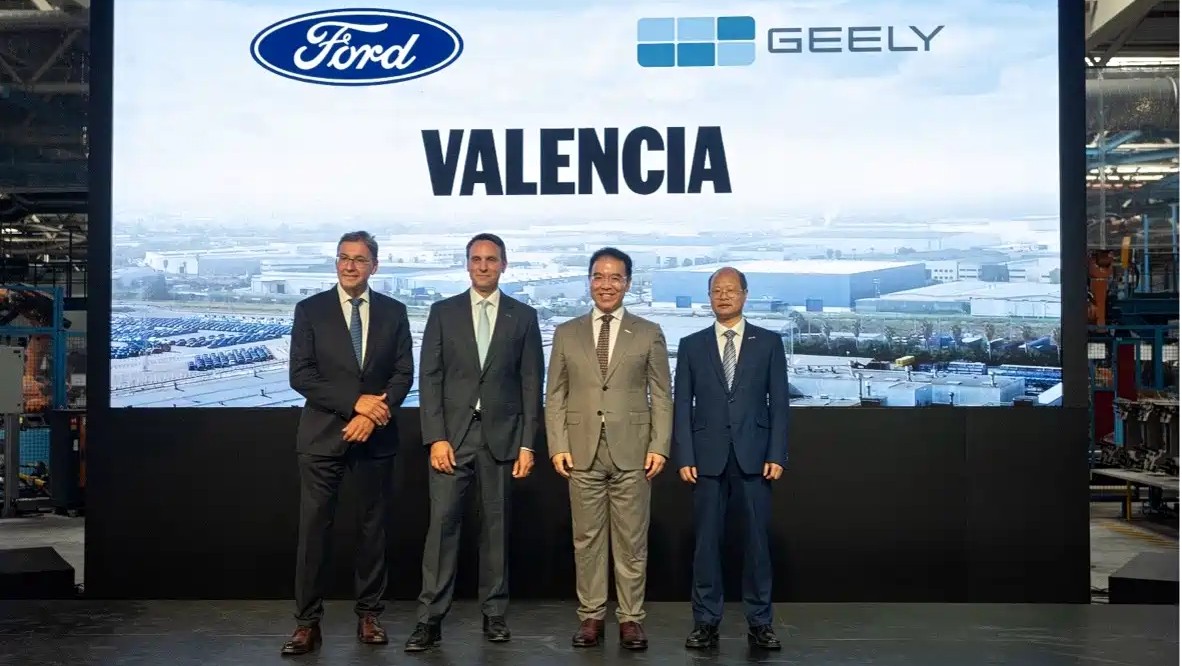
The two automotive giants just announced a joint venture centered in Spain. This isn’t just a handshake. It’s a structural overhaul of how they plan to build electric and hybrid cars for the European market.
The facility? Ford’s sprawling Valencia plant.
Under the proposed deal, Ford will hold a controlling 66% stake. Geely Auto gets 34%. The math is simple: Ford leads, Geely provides muscle, and both share the profits.
The timeline and location
Where is this happening? Valencia, Spain.
Why there? Because it’s one of Europe’s largest automotive facilities. The plant can churn out roughly 500,000 cars a year. That’s significant capacity.
When does it start?
Official operations are slated for the first half of 202. But don’t expect new badges on the street immediately. The first brand-new models from this partnership won’t roll off the line until 2028. Regulatory approval is still pending, of course.
This structure accelerates Ford’s push into the European sector while fast-tracking Geely’s localization strategy. They aren’t just selling to Europe. They are building for Europe.
What cars are coming?
The product roadmap is specific. Concrete. Not vague concepts.
Ford’s popular Kuga SUV remains on the assembly line. That part doesn’t change yet. But starting in 2028, the portfolio expands aggressively.
Here is what to expect:
The Bronco family grows.
A new, rugged compact SUV enters the fray. It joins the Bronco lineup but targets a different segment. Think smaller. More agile. Still tough.
A new Ford crossover.
Ford will lead the design on this one. However, the development is joint with Geely. This is a true collaboration, not just a rebadging exercise.
Geely’s energy vehicles.
Geely brings two new models to the table. These start production in 2028 as well. One is the EX2. In China, it’s known as the Geely Xingyuan. It’s already a top seller in its home market.
Why does this matter?
Manufacturing power is about efficiency. By sharing the Valencia site, both companies cut costs. They boost capacity utilization. They improve product development speed.
It’s also a job creator for the Spanish economy. The automotive sector gets a boost. Local jobs are expected to grow as the facility ramps up.
The move transforms a single manufacturing site into a collaborative hub.
This is about survival in a crowded market. Electric vehicles are expensive to build. Hybrid tech requires constant iteration. Sharing the burden makes financial sense.
Ford needs volume. Geely needs European credibility. Together, they have both.
The road to 2028 is long. But the foundation is laid.
Will the Bronco compact be the hit they’re hoping for? Only the market will decide. One thing is certain: the landscape of European car manufacturing is shifting underfoot.