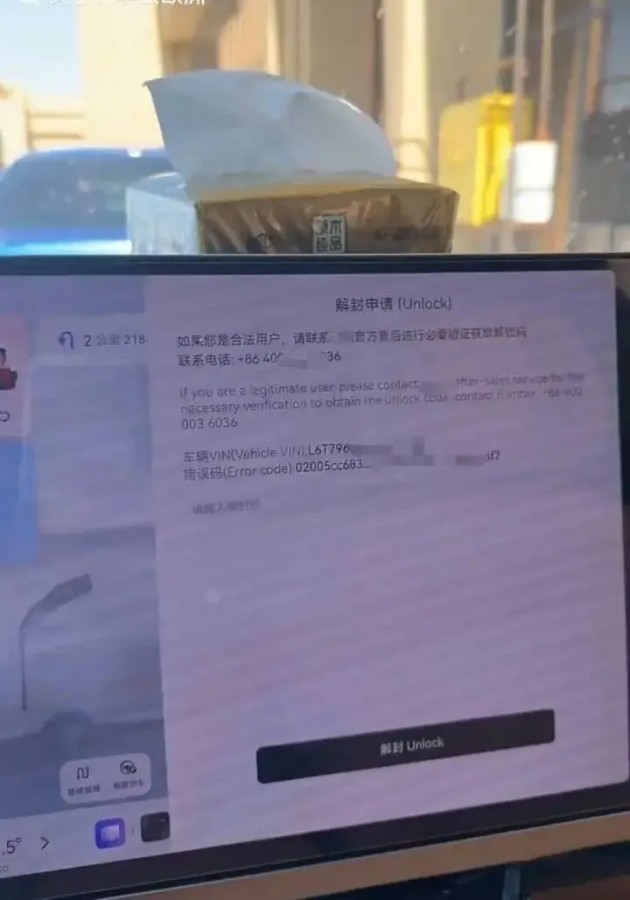
A Zeekr 9X in Kazakhstan just had a very public reminder of how fragile modern car ownership can be.
Mr. Liu didn’t break down. He didn’t run out of gas. His SUV simply stopped listening to him.
For thirty hours, his navigation was dead. His trunk was locked. Even his electronic fuel filler door refused to open. He was stranded abroad with a vehicle that felt half-bricked.
This wasn’t a hack. It wasn’t a mechanical failure. It was security.
Here is what happened, why it matters, and how you can avoid getting locked out of your own smart car while traveling.
The Incident: When Travel Plans Meet Security Protocols
Mr. Liu bought the Zeekr 9X about six months ago. He paid roughly 500,000 Yuan (or about $73,500 USD). He’s not a budget shopper. He knows how to drive an EV, or at least he thought he did.
He started his cross-continental road trip from China on July 8. The plan was to drive to Europe. It sounded like the ultimate influencer flex.
On July 16, he crossed the border into Kazakhstan. That was the moment the car changed its personality.
The infotainment system triggered a security protocol. The screen popped up warnings. Then, persistent prompts. The smart features locked down. Liu claimed he had told dealership staff about his trip during a pre-trip maintenance check. They gave him no warnings about potential system limitations.
No red flags. Just silence from the service department. And then, a digital wall.
Why Did the Zeekr 9X Lock Up?
Zeekr eventually responded. A spokesperson told the National Business Daily that the vehicle’s location had been detected in an overseas region.
This triggered the built-in security protection mechanism.
“Upon verification, the vehicle’s location is detected in an overseas region,” the company stated.
Zeekr says this is standard. Not just for them. For the industry.
It’s an anti-theft and loss-prevention feature. The goal is to protect owner assets. It also complies with international regulations regarding import and export management. The company frames it as a safeguard against smuggling or theft.
It makes sense in a corporate boardroom. It feels like a trap in the middle of nowhere.
Core Systems Stay Alive. Mostly.
Zeekr was quick to clarify one critical point: The car doesn’t stop driving.
The powertrain works. The brakes work. The vehicle is not “locked” in the sense that it becomes undrivable. You can still get from Point A to Point B.
But the smart experience is gone.
If you need to charge, the charging port opens via direct physical pressure. No touchscreen needed. If you need to fill the tank (yes, this hybrid/SUV variant has a fuel door), you can unlock it by holding the physical hazard light button inside the cabin.
You have to press it for five seconds.
Long-press. Hold. Wait.
It’s an analog bypass for a digital lockout. It’s messy. It’s inconvenient. But it works.
How to Unlock a Zeekr Abroad
If your car locks up across a border, you aren’t doomed forever. But you are stuck until you get a key.
Zeekr says that once a user verifies that cross-border travel is legitimate, they can lift the restrictions via an authorization code.
Liu’s vehicle has since been verified. The system prompts have been removed.
But here’s the catch. Temporary unlocking is restricted to a single region.
Drive across multiple countries? The system might lock again.
Imagine driving through Russia, then into Europe. Each border crossing could trigger a new lockout. You’d be playing whack-a-mole with your car’s software.
The Bigger Picture: Who Owns the Car?
We buy cars. We pay for them. They sit in our garages.
But with features tied to software, location data, and cloud servers, the line between ownership and licensing gets blurry.
Liu felt his car was “half-disabled.” That’s not an exaggeration. It’s a literal description of the user experience. You lose convenience. You lose functionality. You lose time.
Zeekr stated they are maintaining close communication with Liu. They will optimize their security strategies based on this feedback.
“Improve the cross-border travel experience,” they said.
Optimize. Improve. Fine.
But until then, if you’re planning a road trip that crosses an international border, don’t assume your smart features will work. Don’t assume the dealership warned you. They might have. Or they might have missed it.
Or maybe the car just decided it didn’t want to go.
Check the manual. Look for the physical override buttons. Know where the hazard button is.
You never know when your car will decide it’s more security guard than vehicle.