It’s not a rumor. Winter eats electric vehicle range.
There isn’t just one reason. It’s a pile of them. You’re burning electricity to heat the cabin. That’s pure energy loss. The air gets denser in the cold, so your car has to push through something that feels thicker. Cold tires? They roll harder. Then there’s the battery itself, fighting to stay in its thermal comfort zone. All of this sends consumption through the roof.
How much range do you actually lose in winter?
Trying to pin down an average percentage is nearly impossible. Usage patterns vary wildly. So do the drivetrains. But here is the hard truth for short trips in freezing conditions: your range can drop by about 30% compared to the official WLTP figures.
Why such a massive hit on short runs?
The heater is the culprit. In the first few minutes, it draws excessive power. You haven’t driven far enough to offset that initial energy spike. It’s a bad ratio.
On longer highway stints, the heater’s impact dilutes over time. You warm up, and the per-mile cost drops. But you don’t escape physics. The increased rolling resistance from cold rubber and the aerodynamic drag from dense air still bite hard.
The heater isn’t “free” just because the sun isn’t shining. It’s one of the biggest drains on the pack.
So, which matters more for your specific drive? If you’re commuting short distances in the dead of winter, that 30% drop is real. If you’re doing long hauls, the drag is the enemy. Either way, the math changes when the temperature drops.
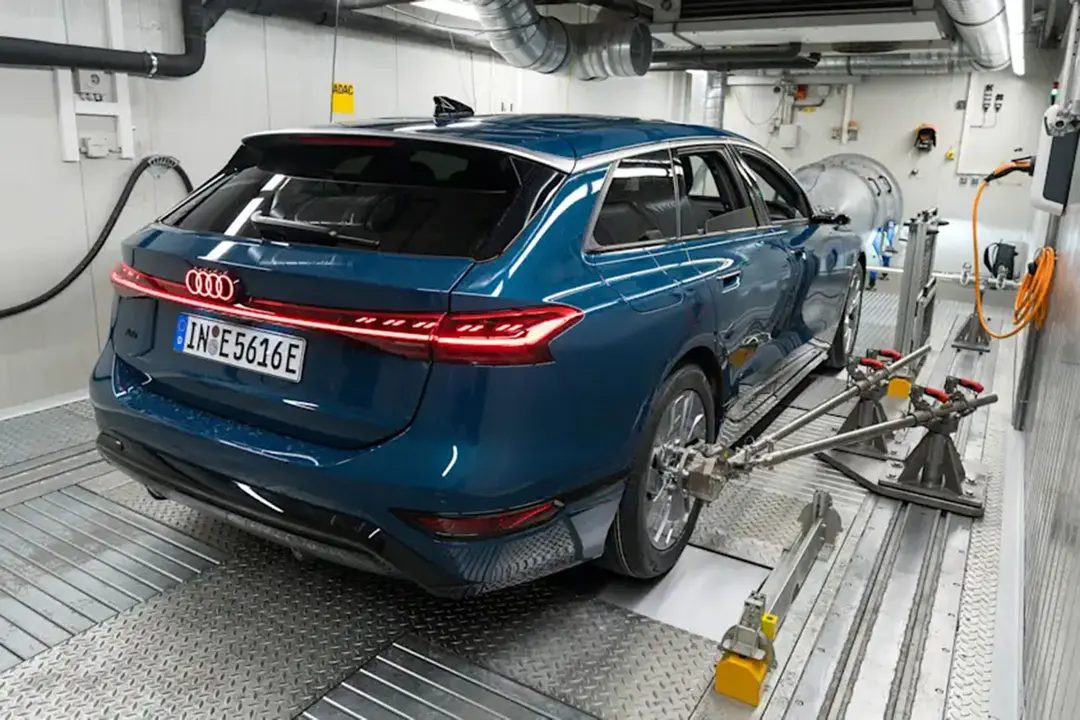
Audi A6 Avant e-tron dominates winter highway range tests
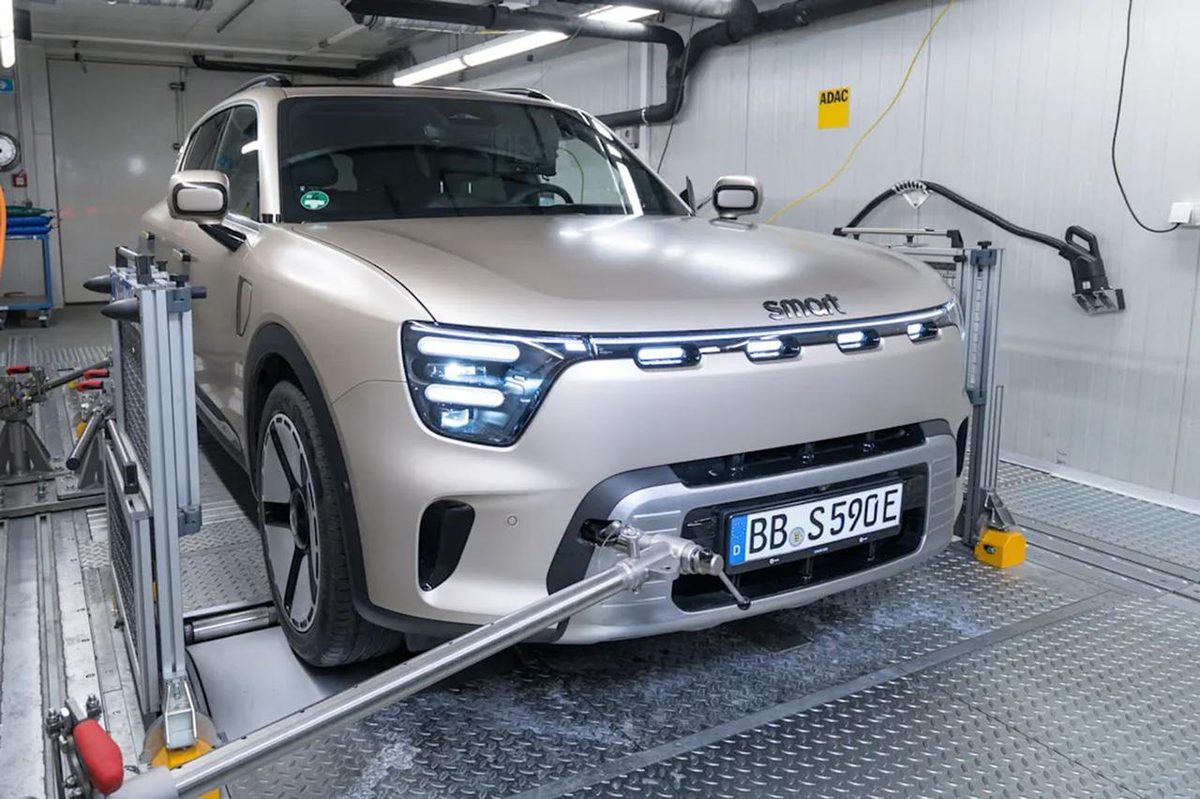
The ADAC didn’t mince words. Or rather, they didn’t speak at all. They just put 14 new EVs in a freezer. Well, a brand new climate chamber. The German automobile club wanted to know what happens when you hit the autobahn in zero-degree weather. Not a guess. A simulation.
They programmed the dyno to mimic a 500km sprint from Munich to Berlin. Top speed capped at 130 km/h. They factored in aero drag for every car. Then they tested charging. Specifically, how much range you get back during a 20-minute coffee break.
The winner? The Audi A6 Avant e-tron performance.
It’s not even close on the highway. With a 95 kWh pack and a sipping efficiency of 23.2 kWh/100 km, the German estate clocked 441 km of real-world winter range. That’s the gold standard for EV range in winter on the highway.
But the real flex is the charging. The 800V architecture does the heavy lifting. In 20 minutes, the Audi adds 300 km back to the battery. That changes how you plan a trip. You don’t just stop. You pause.
Second place went to the Tesla Model Y Long Range AWD. It’s efficient, pulling 22.2 kWh/100 km. That gave it 406 km of range. Solid. But the Audi ate its lunch on the charging curve.
Third? The Polestar 4 Long Range. It struggled a bit more with efficiency, drinking 27.2 kWh/100 km. Result: 369 km. Still usable. Still electric. But the gap to the Audi is wide.
Why does the Audi win? Voltage. Battery size. And apparently, German engineering in a cold room.
What about the rest of the pack? The ADAC test shows that winter isn’t just about battery size. It’s about how fast you can put energy back in when the cold drains it. The 800V systems are starting to look less like a gimmick and more like a necessity.
So if you drive long distances in winter, the data is clear. The Audi A6 Avant e-tron performance is the current king of winter highway EVs. The Tesla is a close runner-up. The Polestar is… well, third.
Does that mean you should buy one? Maybe. Or maybe you just need to accept that winter driving shrinks your range and your patience.
The ADAC will test more. They always do. But for now, the crown sits on the Audi’s roof.
How fast actually fills up matters more than you think
Recharge speed is where things get interesting. Or frustrating. Depending on who you ask. The Smart #5 leads the pack here, grabbing 264 km of range in just 20 minutes. That’s the kind of number that makes highway stops feel like bathroom breaks.
The Hyundai Ioniq 5 and Kia EV6 follow close behind, pulling in 231 km and 222 km respectively. Even the Volkswagen ID.7 Tourer Pro manages a respectable 203 km.
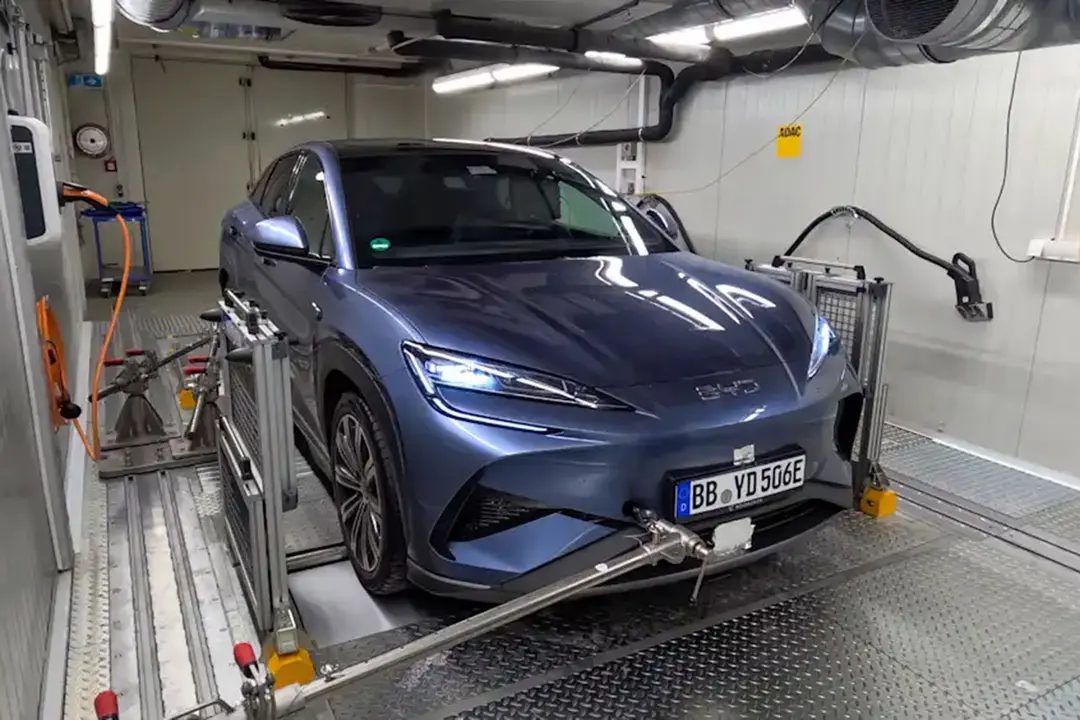
Then there’s the bottom of the barrel. The BYD Sealion 7 sits at 293 km total range. It also boasts the worst consumption figure in the group. We’re talking 35.3 kWh/100 km. That’s not just inefficient. It’s alarming.
The Opel Grandland 97 kWh version finishes last for charging speed. It recovers a paltry 153 km in 20 minutes. If you’re planning a long trip, you’ll be spending a lot of time at the charger.
Why WLTP ratings lie to you on the highway
Absolute range numbers are one thing. The gap between what the sticker says and what the car actually does is another. The ADAC highlights this discrepancy clearly.
The Tesla Model Y takes the crown for biggest drop-off. It loses 32.3% of its WLTP-rated range on the highway. That’s 194 km gone. Poof.
But it’s not even the worst offender. The Polestar 4 drops 38.5%, shedding 231 km. The Audi A6 follows with a 38.7% loss, which equals 278 km missing from the promise.
The real disappointments sit further down. The Kia EV6 loses 44.5% (-249 km). The Porsche Macan sheds 46.2% (-285 km).
And the Opel Grandland? It loses over half its rated range. A staggering 50.2% drop, equating to 334 km. That’s more than the car can actually drive in some scenarios. You buy a car for 600 km of range. You get 266. Why do we still trust the old tests?