“The 2026 Polestar 3 is faster, charges quicker, and thinks harder. It still costs more. Deal with it.”
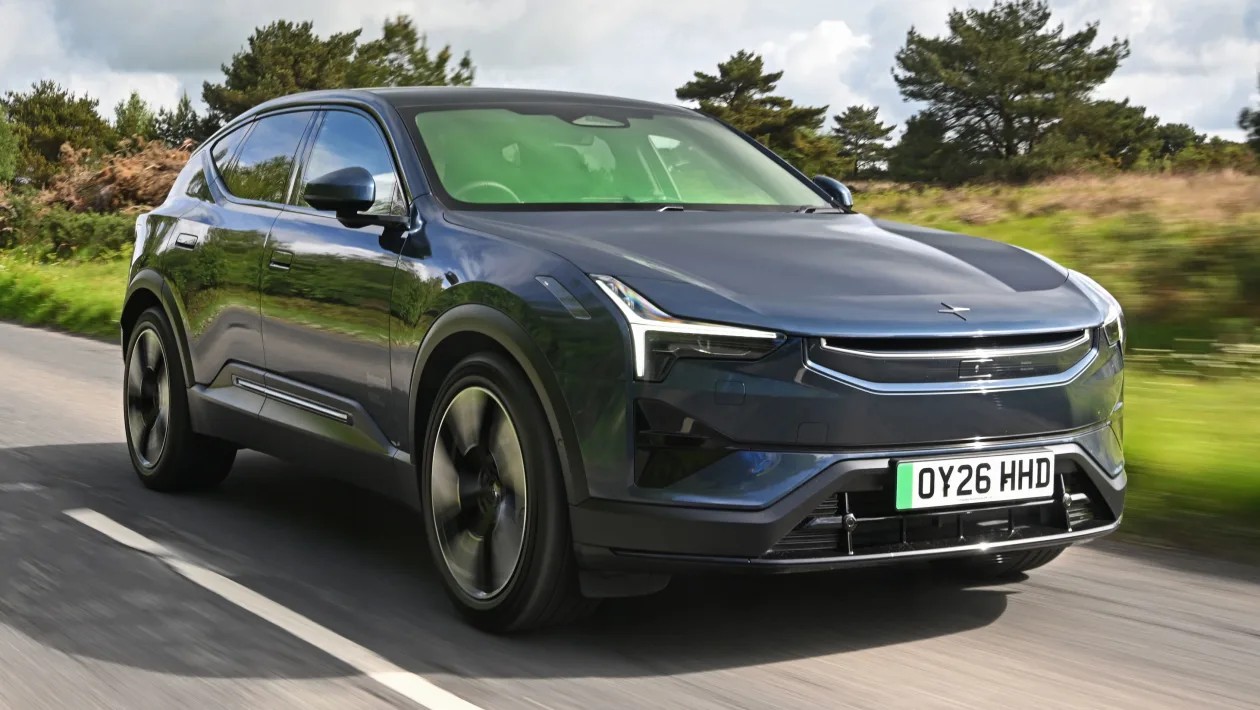
It looks exactly the same. From the curb? Zero difference. But inside? The Polestar 3 has changed its mind about speed. Not just how fast it runs, but how fast it fills up and how fast it processes your weird touchscreen taps.
Low-key updates. That is the Polestar brand. They don’t shout. They just tinker until things are slightly less annoying. The 2026 model gets a new motor, faster charging, and a brain transplant for its computer. It doesn’t radically alter what is already a solid car, but it makes living with it less of a chore.
Under the hood: more horse, less wait
Let’s talk power first. They threw away the old rear motor. Replaced it with a new “permanent magnet synchronous” thing they built in-house. Fancy name. Good results.
The base car jumped from 295bhp to 329. Not earth-shattering, but welcome. The mid-spec Dual Motor went from 485 to 536. Then there is the Performance model. The old one had 510hp. The new one has 670hp. That is a massive leap. A 3.8-second zero-to-60 sprint is serious territory.
Does the entry-level model feel different? Barely. It was already plenty quick. The car handles safely, too solid to encourage silly corner carving. You won’t feel the need to use those extra horses unless you’re carrying a small family and a piano up a steep hill.
Charging and Range: The real upgrade
The charging story is actually exciting. An 800V architecture. That is technical jargon for “fast.” The Dual and Performance trims now hit 350kW charging. You can jump from 10 to 80 percent in 22 minutes.
The entry car? It sits on a slightly smaller 92kwh battery, but it can still drink at 310 kW. That is faster than most public chargers in the UK anyway. You’ll be waiting on the infrastructure, not the car.
Range numbers have shifted slightly.
– Rear Motor: 375 miles.
– Dual Motor: 394 miles.
– Performance: 368 miles.
Notice the high-flyer didn’t make 400 miles? The big battery for the rear-wheel drive model is gone. In the real world? You might see closer to 300 miles with the entry car. Polestar claims a six-percent efficiency boost. It helps, sure. Long trips remain its forte. Comfortable seats. Calm ride. Air suspension is standard on the upper trims, adding that floaty Scandinavian feel. Skip the air ride on the base model, though. It thumps a bit in town.
Price hurts. The options pack got expensive
Here is the rub. They took all the good stuff you used to buy extra—Bowers & Wilkins speakers, 360-degree cameras, soft-close doors—and just shoved it into the base price.
Consequently, prices rose.
- Rear Motor : starts over £76k.
- Dual Motor : tops £84k.
- Performance : breaks £92k.
That is expensive. More than a BMW iX. In line with a Volvo EX90. It is a lot of cash. Why is a minimalist box so pricey? The logic is that you get the full suite. Prime Pack included. There is a seasonal £5k discount, if that soothes your soul.
Tech: Faster, but not magic
They sped up the processor too. From 30 trillion to 254 trillion ops per second. The numbers sound like science fiction. Does the car feel smarter? Marginally.
The infotainment system is still Google-based. It is responsive enough. But it still forgets that your phone is paired every once in a while. Frustrating. The processor upgrade matters for future over-the-air updates, though. Manufacturers fix bugs remotely now. A faster brain means smoother updates down the road.
Driving it home
The interior? Same minimalist chic. Same classy materials. Same usability quirks.
Touching every setting via the screen remains a pain. Volume buttons are gone (except the physical wheel, thankfully). Window switches are on the door. Everything else? Buried in menus. Voice control saves you there. The key fob? Still a frustrating little square brick with the battery life of a mayfly. It works. Barely.
Rear space? Excellent. Four adults fit easily. The boot takes their luggage too. It does the job well.
Is it worth the extra money for 2026? The performance and charging upgrades are tangible. The tech is snappier. The price hike stings, but you are getting more kit for your buck than before.
It’s still a good car. It’s still a bit pricey. And that key fob will still annoy you on a rainy Tuesday morning.
“More power. Faster charging. Higher prices. The formula is unchanged.”
Model: Polestar 3 MY26 (Rear Motor)
Price: £76,540
Power: 329 bhp / 480 Nm
0-62 mph: 6.3 sec
Range: 375 miles
Charging: 310 kW (10-80 in 22 min)
On Sale: Now 🇬🇧