Another recall. And another. And another.
Ford isn’t slowing down.
The Blue Oval just slapped two new stickers on a combined 771,000 vehicles. One problem involves transmissions that forget to lock in Park. The other? Bronco fenders that literally fall off.
Let’s get into the grease.
The Transmission Tangle
This is the big one. 741,195 trucks and SUVs are sitting out there with a potential mechanical hiccup.
We are talking about 2018–2021 F-150s, Expeditions, and Explorers. Also 2018–22 Lincoln Navigators and 2020–21 Aviators.
Here is the scary part. While you are driving. The transmission might accidentally engage the parking pawl.
Just for a split second.
If that happens while moving? It shreds the internal parking components. So later. When you park. The car might not hold.
Rolling away. Unassisted. No parking brake required to make this a disaster.
Ford admits the damage. There have been 24 reports of property loss. Seven physical injuries. Two emotional ones. Emotional injuries from a transmission? Sure, I guess.
The fix involves updated software. They will flash the PCM to stop the bad shift commands. Then they inspect the hardware. If the parts are gone, they replace them. Simple.
Flares Of Doom
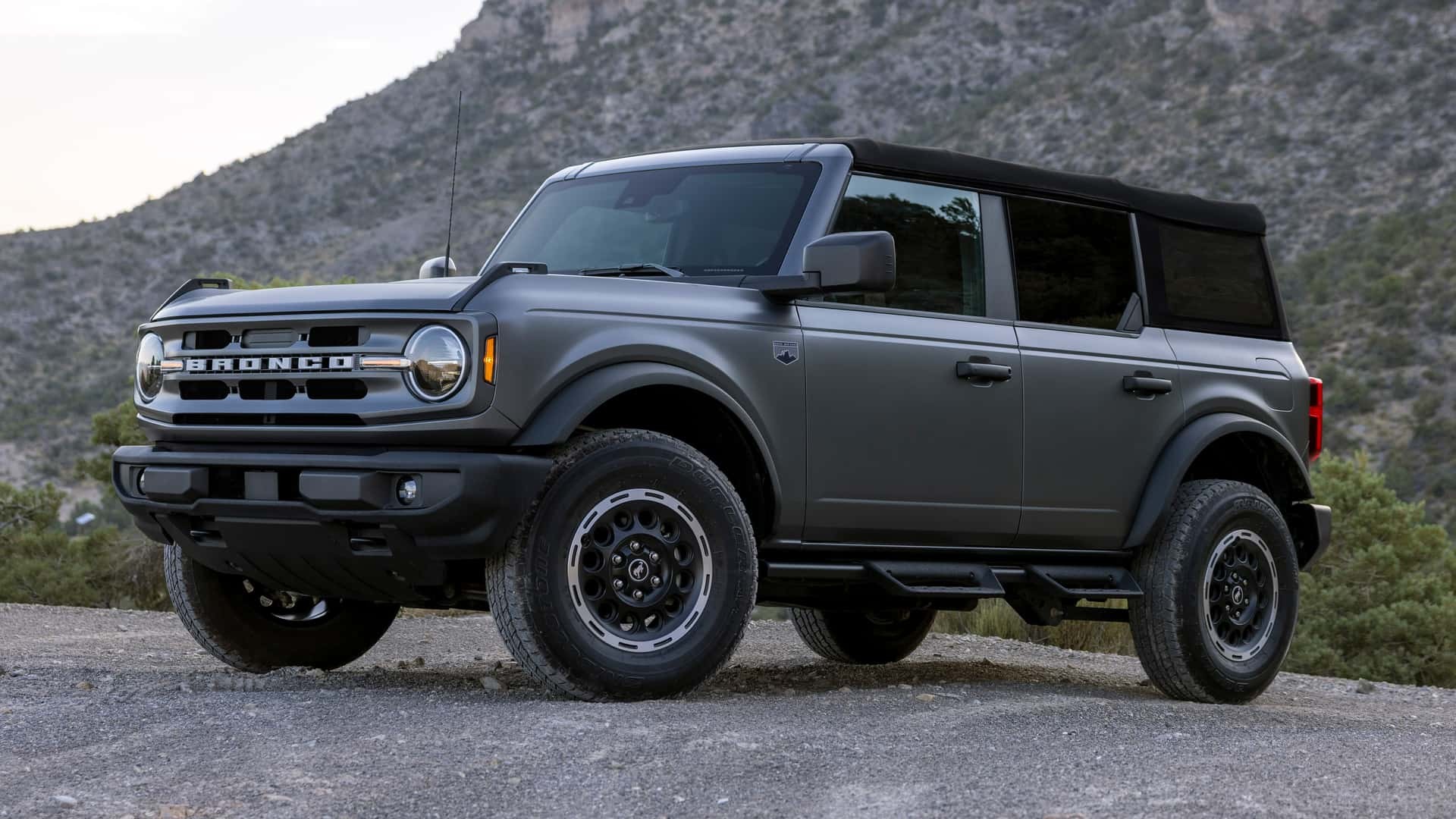
The Bronco has a different kind of loose end.
36,046 of these 2022–2026 off-roaders might shed their fender flares on the highway.
Why? Supplier error.
A vendor used dull tooling to cut the attachment holes. This created burrs and stray plastic fibers. When the factory tried to snap the flares on. They didn’t stay.
You will notice gaps. Sagging. A rattling sound as clips lose grip.
Ford says there have been 370 warranty claims and a handful of field reports. Nobody died, thankfully.
They are swapping out the old fasteners for new push pins. Replacing any missing pieces. It should be straightforward.
The Bigger Picture
Motor1 notes Ford has already issued 53 recalls this year. That touches over 11 million vehicles.
Leading the industry. Again.
Is this quality control or just aggressive post-release debugging? Maybe both.
Do you trust a company that moves mountains of metal but trips on small screws?
Or is it just business?